← Back to Bands
Band Guide · The Stone Roses · Indie Rock / Madchester · Manchester, England

The Stone RosesBand Guide

Formed 1983 · Manchester, England · Indie Rock / Madchester / Psychedelic Rock

The Stone Roses made one of the greatest British albums ever recorded in 1989 and then largely disappeared — into legal disputes, into silence, into a five-year absence that ended with a second album that arrived too late and too different to match the expectation that had built in the interim. Their story is one of squandered momentum and perfect timing in equal measure: the debut arrived at exactly the moment the cultural conditions could receive it and detonated accordingly. Ian Brown's voice, John Squire's guitar, Mani's bass, and Reni's drumming: four elements that together produced a sound nobody else has quite replicated before or since. This is the complete guide.
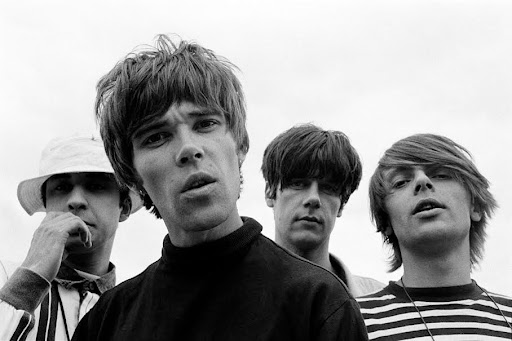
The Stone Roses band photo
Formed1983Manchester, England
Studio Albums2
Active1983–19962011–2017
Best AlbumThe Stone Roses1989
Start WithI Wanna Be Adored

Who Are The Stone Roses?

The Stone Roses are a British rock band formed in Manchester in 1983. The classic lineup — Ian Brown on vocals, John Squire on guitar, Gary "Mani" Mounfield on bass, and Alan "Reni" Wren on drums — met in their teens and spent several years developing their sound through Manchester's independent music circuit before signing to Silvertone Records and releasing their self-titled debut in 1989. The album combined the guitar pop of The Byrds and early psychedelic rock with funk-influenced bass lines, Squire's shimmering, arpeggiated guitar style, Brown's laconic vocal delivery, and Reni's extraordinarily musical drumming — a combination that felt simultaneously classic and entirely contemporary.

The self-titled debut album reached number 19 in the UK on release but grew steadily through word of mouth and critical acclaim into one of the most celebrated British albums of its era. Their Spike Island concert in May 1990 — attended by approximately 27,000 people on a chemical wasteland in Widnes — became one of the defining live events of the Madchester moment. The band were signed to Geffen Records for a reported £1 million, sued by Silvertone Records to prevent the move, and spent two years in litigation that effectively prevented them from recording. The five-year gap between albums that followed defined the second half of their story.

The Silvertone Dispute & the Missing Years

After signing to Geffen Records in 1991, Silvertone Records sought an injunction to prevent the band from recording for the new label. The legal dispute was settled in 1993, but the years of inactivity had allowed the band's momentum to dissipate and allowed the cultural moment they had helped create to move on without them. When The Second Coming arrived in December 1994, the Britpop era that had partly emerged from their influence was in full swing — and their blues-rock influenced second record felt deliberately contrary to the prevailing mood.

Reni departed in April 1995 and John Squire left in March 1996 to form The Seahorses. Ian Brown and Mani attempted to continue with replacement members before the band formally disbanded in October 1996. The Roses had produced two albums, a handful of non-album singles, and a live reputation that had defined a cultural moment — and then they were gone.

New to The Stone Roses?

Start with "I Wanna Be Adored" — the album opener that announces the debut's intentions immediately. Then the self-titled album in full — one of the greatest British debut albums ever made and the only necessary first listen. Non-album singles "Fool's Gold" and "What the World Is Waiting For" are the essential follow-ups.

The Classic Lineup

IB
Ian Brown
Vocals · 1983–1996, 2011–2017
The band's vocalist and frontman — a charismatic presence more notable for attitude and delivery than conventional vocal technique, and all the more effective for it. Brown's laconic, slightly detached singing style gave the band's more ambitious material a cool nonchalance that prevented it from tipping into pomposity. His stone-cold stage confidence and the sense that he genuinely didn't care whether you liked it or not was central to the band's mystique. Has maintained a successful solo career since the band's original dissolution.
JS
John Squire
Guitar · 1983–1996, 2011–2017
One of the most distinctive and influential British guitarists of his generation. Squire's style combined Hendrix-influenced lead playing with the chiming, arpeggiated guitar work of The Byrds and a Jackson Pollock-influenced visual art practice that informed both his drip-painted guitar designs and the album artwork. His guitar on the debut is central to what makes the record sound the way it does — simultaneously funky, psychedelic, and melodically rich. Left in 1996 to form The Seahorses.
MA
Mani
Bass · Gary "Mani" Mounfield · 1987–1996, 2011–2017
Widely regarded as one of the finest bassists in British rock. Mani's melodic, fluid bass lines on the debut are a primary reason the album sounds like nothing else: they function simultaneously as rhythmic anchor and lead melodic voice, influenced by Sly Stone and funk traditions but filtered through a distinctly Mancunian sensibility. Later joined Primal Scream, with whom he recorded and toured for many years before the Roses' reunion.
RE
Reni
Drums · Alan "Reni" Wren · 1983–1995, 2011–2017
Consistently cited as one of the greatest rock drummers of his era — a musician whose playing was so melodically and rhythmically inventive that it functions as a fifth instrument rather than a supporting rhythm section role. His performances on "I Am the Resurrection" and "Fool's Gold" in particular demonstrate why he is spoken of in the same breath as John Bonham by those who consider such comparisons carefully. Departed in April 1995.

Band History

1983
Ian Brown and John Squire form The Stone Roses in Manchester. The pair had known each other since primary school. The classic lineup gradually assembles over the following years.
1987
Mani joins as bassist, completing what would become the classic four-piece lineup with Brown, Squire, and Reni. The band sign to Silvertone Records and begin recording the debut album.
1989
The Stone Roses released on Silvertone in May. The album reaches number 19 in the UK but begins to grow steadily through word of mouth. "She Bangs the Drums" and "What the World Is Waiting For"/"Fool's Gold" follow as singles, the latter reaching number eight.
1990
The Spike Island concert, attended by approximately 27,000 people, becomes one of the defining live events of the Madchester era. The band are at the peak of their cultural influence. Negotiations with Geffen Records begin.
1991
The band sign to Geffen Records. Silvertone Records seeks an injunction to prevent them recording for the new label. The legal dispute effectively freezes the band for two years.
1992
The band pour paint over the offices and car of their former manager and his partner. They are convicted of criminal damage and fined. The legal dispute with Silvertone is eventually settled in 1993.
1994
The Second Coming released in December after a five-year gap. The album's blues-rock direction divides opinion. "Love Spreads" reaches number two in the UK. The timing — mid-Britpop boom — works against a record that has little in common with prevailing tastes.
1995
Reni departs in April. The band play a disastrous headline set at Reading Festival in August — John Squire breaks his collarbone in a cycling accident days before the performance, and the show is widely regarded as one of the worst headline sets in the festival's history.
1996
John Squire departs in March to form The Seahorses. Ian Brown and Mani attempt to continue briefly before the band formally disbands in October. Squire had been Pulp's replacement choice at Glastonbury 1995.
2011
The Stone Roses announce a reunion of the classic four-piece lineup. The announcement generates significant media attention and ticket demand. The reunion tour includes headline slots at major festivals worldwide.
2016
New singles "All for One" and "Beautiful Thing" released — their first new recordings in over two decades. A new album is announced but does not materialise.
2017
The band perform their final reunion shows and effectively dissolve again. No further activity has followed. The promised new album was never completed.

Discography

1989
The Stone Roses
I Wanna Be Adored, She Bangs the Drums, I Am the Resurrection, This Is the One. One of the greatest British debut albums ever made. The only essential starting point.
Essential
1989
Fool's Gold / What the World Is Waiting For
Non-album double A-side. Fool's Gold is arguably their greatest single — a nine-minute funk and acid house influenced track that sounds unlike anything on the debut.
Essential
1994
The Second Coming
Love Spreads, Ten Storey Love Song, Begging You. The blues-rock influenced follow-up — more divisive but containing several strong tracks. Heard on its own terms rather than as a sequel, it holds up better than its reputation suggests.
Great

The Stone Roses Trivia Quiz

Five questions — how many can you get right?

Best Songs by Mood

Not sure where to begin? Use this as your entry point.

First song ever
I Wanna Be Adored
Most euphoric
She Bangs the Drums
Greatest closing track
I Am the Resurrection
Best non-album single
Fool's Gold
Most cinematic
This Is the One
Most tender
Waterfall
Best Second Coming track
Ten Storey Love Song
Best deep cut
Don't Stop

The Stone Roses FAQ

When did The Stone Roses form?
The Stone Roses formed in Manchester, England in 1983, when Ian Brown and John Squire — who had known each other since primary school — assembled the band that would eventually include Reni on drums and Mani on bass. Their 1989 self-titled debut album is widely regarded as one of the greatest British albums ever recorded.
What was Spike Island?
Spike Island was a concert performed by The Stone Roses on 27 May 1990 at a chemical wasteland site in Widnes, Cheshire, attended by approximately 27,000 people. The show has become one of the most mythologised events in British rock history — partly because of its place in the Madchester cultural moment, partly because the sound quality was widely reported as poor and the logistics were chaotic. It represents the peak of the band's cultural influence before the years of inactivity that followed.
Why did it take five years to release The Second Coming?
The five-year gap between The Stone Roses (1989) and The Second Coming (1994) was primarily caused by the legal dispute with Silvertone Records. After the band signed to Geffen Records in 1991, Silvertone sought an injunction preventing them from recording for the new label. The dispute was settled in 1993, but the years of enforced inactivity had dissipated the band's momentum and allowed the cultural moment they had helped create to move on.
Is The Second Coming worth listening to?
The Second Coming (1994) is worth listening to, particularly with the expectation that it is a deliberately different record from the debut rather than a continuation of it. The blues-rock influence — Squire was listening extensively to Led Zeppelin and Hendrix during the gap — produces material that is more guitar-forward and less dance-influenced than anything on the debut. "Ten Storey Love Song," "Love Spreads," and "Begging You" are all strong tracks. It is best heard on its own terms.
What is Fool's Gold about?
"Fool's Gold" is a non-album single released in November 1989, a nine-minute track influenced by acid house, funk, and Sly Stone, built on Mani's bass line and Reni's percussion. The lyric is impressionistic rather than narrative, consistent with the band's generally oblique approach to meaning. The track reached number eight in the UK and demonstrated that the band's ambitions extended well beyond the melodic guitar pop of the debut album's template.
What is the best Stone Roses album to start with?
The Stone Roses (1989) is the only starting point — it is one of the greatest British debut albums ever made and the record that contains everything essential about the band. "Fool's Gold" and "What the World Is Waiting For" — non-album singles that should be heard immediately after — are equally essential. The Second Coming (1994) is a very different record worth exploring once the debut is familiar.

See Also