← Back to The Stone Roses
Ranked Songs · The Stone Roses · Indie Rock / Madchester · Manchester

The Stone Roses Best Songs Ranked — The Definitive Guide

One debut album, one set of non-album singles, and a second record that arrived five years too late — The Stone Roses' catalogue is small and almost entirely essential. These are the 10 tracks that define it.

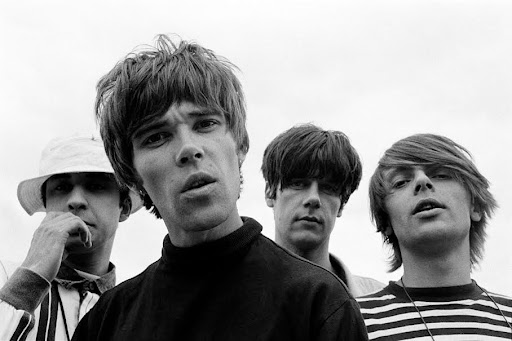
The Stone Roses performing live
Jump to Song

What Makes a Great Stone Roses Song?

A great Stone Roses song sounds effortless in a way that conceals how much is happening inside it. John Squire's guitar moves between chiming arpeggios and fluid lead lines; Mani's bass is melodically active enough to function as a lead instrument; Reni's drumming is the most musically inventive of any rock drummer of his generation; and Ian Brown's vocals hold everything together with an attitude that would collapse if it ever tried too hard. The best tracks have a sense of space and confidence — nothing is cluttered, nothing overplays, and the whole sounds larger than the sum of its parts.

This ranking covers the self-titled 1989 debut, the essential non-album singles, and the strongest tracks from The Second Coming (1994). Eight of the ten come from the debut era — which accurately reflects where the essential catalogue lives.

Top 10 Stone Roses Songs Ranked

01

I Wanna Be Adored

Album: The Stone Roses · 1989
Debut

"I Wanna Be Adored" opens The Stone Roses with two minutes of building bass and drums before Brown's vocal even enters — a statement of confidence from a band who knew they had something nobody else was doing. The song is a declaration rather than a pop track: the title repeated, the desire stated baldly, the production giving it a sense of arrival. Squire's guitar enters gradually, the arrangement building with a patience that 1989 British indie rarely allowed itself. It is the correct first song for the correct first album, and it still sounds like nothing else.

Why #1: the album opener that announces the debut's ambitions without compromise — a declaration rather than a pop track, and the correct introduction to the band.
02

She Bangs the Drums

Album: The Stone Roses · 1989
Debut

"She Bangs the Drums" is the most euphoric song in The Stone Roses catalogue and the most immediately accessible track on the debut — the one that most completely captures the band at their most joyful and most direct. Reni's drumming is the centrepiece: propulsive, musical, and doing more rhythmic and melodic work simultaneously than most rock drummers manage. Squire's guitar is at its most shimmering, Mani's bass locks in with perfect confidence, and Brown's vocal conveys delight without effort. A song about the pure physical pleasure of music that creates the thing it describes.

Why #2: the most euphoric and immediately accessible Stone Roses track — pure joy rendered in guitar, bass, drums, and a vocal that makes it all look effortless.
03

I Am the Resurrection

Album: The Stone Roses · 1989
Debut

"I Am the Resurrection" is the definitive statement of what The Stone Roses could do at full stretch — an eight-minute album closer that spends its first five minutes as a magnificently arrogant pop song and its final three as an extended instrumental that Reni essentially owns. The bass-and-drums outro is one of the most celebrated instrumental passages in British rock: Mani and Reni playing off each other with an improvisational fluency that makes it feel spontaneous while being exactly right. The lyric is classic Brown — grand, slightly mysterious, delivered with zero self-doubt. An essential closing track for an essential debut.

Song Note

The extended instrumental outro — widely regarded as one of the greatest passages in British indie rock — was driven primarily by Reni's drumming, which is melodic, rhythmically complex, and musically inventive in a way that demonstrates why he is so consistently cited as one of the finest rock drummers of his generation. The transition from the vocal section into the outro remains one of the most satisfying moments on the record.

Why #3: the definitive Stone Roses statement — eight minutes of arrogant pop song followed by one of the greatest instrumental outros in British rock.
04

Fool's Gold

Non-album single · 1989
Non-Album Single

"Fool's Gold" is a non-album single released in November 1989 and one of the greatest things the band ever recorded. Nine minutes of acid house-influenced funk rock built on Mani's bass and Reni's percussion, it demonstrated that the band's ambitions extended well beyond the melodic guitar pop of the debut album's template. The Sly Stone influence is overt and worn without apology; the groove is as good as anything British rock produced in its era; and the fact that it doesn't appear on the album makes it essential listening the moment the self-titled record has been absorbed. It reached number eight in the UK and is the single that best captures the band's relationship with the dance music culture developing around them.

Why #4: the greatest non-album single — nine minutes of acid house-influenced funk rock that demonstrates the full range of what the band could do beyond the debut's template.
05

Waterfall

Album: The Stone Roses · 1989
Debut

"Waterfall" is the most psychedelic track on the debut and the one that most clearly demonstrates The Byrds' influence on Squire's guitar work — the chiming, arpeggiated chord patterns running above Mani's active bass and Reni's metronomic groove. The lyric is more impressionistic than narrative, consistent with Brown's approach across the album, and the melody is perfectly suited to the swirling production. The song also gave its name to a B-side, "Don't Stop," which plays the track backwards — an idea that is either genuinely inspired or genuinely irritating, depending on the listener.

Why #5: the most psychedelic debut track — Squire's Byrds-influenced guitar at its most chiming, over Mani and Reni at their most fluid.
06

This Is the One

Album: The Stone Roses · 1989
Debut

"This Is the One" is the most cinematic song on the debut — a slower, more expansive track that builds with deliberate patience before arriving at a chorus of considerable emotional weight. The production gives it a sense of scale that the faster tracks don't require, and Brown's delivery is more controlled and more affecting here than almost anywhere else on the record. The song has become one of the most reliably anthemic tracks in the live catalogue: the slower build and the sing-along chorus work at festival scale in a way that the more intricate material sometimes doesn't.

Why #6: the most cinematic debut track — slower, more expansive, and the most reliably anthemic song in the live catalogue.
07

Love Spreads

Album: The Second Coming · 1994
Second Coming

"Love Spreads" is the lead single from The Second Coming and the track that most successfully bridges the gap between the debut era and the blues-rock direction of the second album. Squire's riff is the most aggressive guitar statement on any Stone Roses recording, and the production gives it a physical weight absent from the lighter debut material. It reached number two in the UK — the band's highest-charting single — and demonstrated that the Roses could still command attention after five years away. For listeners skeptical of The Second Coming, this is the correct starting point.

Why #7: the best Second Coming track and the band's highest-charting single — Squire's heaviest riff, and the correct entry point into the second album.
08

Ten Storey Love Song

Album: The Second Coming · 1994
Second Coming

"Ten Storey Love Song" is the most melodically generous track on The Second Coming and the one that sounds most like a natural continuation of the debut rather than a deliberate departure from it. The acoustic guitar introduction, the vocal melody, and the production warmth all connect it to the debut era, while the slightly more expansive arrangement reflects the five years of development between the two records. It was a top five UK single and remains the Second Coming track most often cited as a favourite by fans of the debut who found the album's blues-rock turn difficult.

Why #8: the most melodically generous Second Coming track — sounds most like the debut era and is the correct bridge for fans who found the album's direction difficult.
09

Don't Stop

B-side · 1989
B-Side

"Don't Stop" is the B-side to "Waterfall" — literally the same track played backwards, with Brown improvising new vocals over the reversed music. The result should not work and yet it does, producing a track with its own distinct character: more hallucinatory and more unsettling than the original, moving in unexpected directions because the underlying structure is operating in reverse. It is included here as both one of the most genuinely interesting things on the debut-era releases and as a demonstration of the band's willingness to experiment with form in ways their Madchester contemporaries rarely attempted.

Why #9: Waterfall played backwards with new vocals — a formal experiment that produces something genuinely distinctive and demonstrates the band's experimental streak.
10

Made of Stone

Album: The Stone Roses · 1989
Debut

"Made of Stone" closes this ranking as the most underrated track on the debut — a song that sits slightly outside the euphoric energy of the album's most celebrated moments and operates with a cooler, more restrained quality that suits it perfectly. The guitar lines are more contained than on the faster tracks, the bass sits further back in the mix, and Brown's delivery is at its most detached. It demonstrates the album's range and is consistently cited by dedicated fans as a personal favourite that receives less attention than the obvious singles. A track that rewards returning listeners.

Why #10: the most underrated debut track — cooler and more restrained than the euphoric peaks, and consistently a favourite among listeners who know the album deeply.

Best Stone Roses Songs for Beginners

She Bangs the DrumsStart here — the most immediately euphoric and accessible track on the debut.
I Wanna Be AdoredFor the full debut experience — the album opener that sets the tone for everything that follows.
Fool's GoldFor the non-album essential — nine minutes of funk rock that expands the picture of what the band could do.
I Am the ResurrectionFor the full stretch — eight minutes that ends with one of British rock's greatest instrumental outros.
Love SpreadsFor The Second Coming — the lead single and the band's highest-charting track.
This Is the OneFor the anthemic side — the most cinematic track and a reliable festival highlight.

Essential Stone Roses Listening

1989
The Stone Roses

The only necessary starting point. Contains I Wanna Be Adored, She Bangs the Drums, I Am the Resurrection, Waterfall, This Is the One, and Made of Stone. One of the greatest British debut albums ever made.

1989
Fool's Gold / What the World Is Waiting For

Non-album double A-side that must be heard immediately after the debut. Fool's Gold is a nine-minute funk and acid house single; What the World Is Waiting For is a guitar pop track that could have fitted on the album.

1994
The Second Coming

Worth hearing once the debut is deeply familiar. Contains Love Spreads and Ten Storey Love Song. A different record from the debut — blues-influenced, heavier, more guitar-forward — and better than its divisive reputation suggests.

Stone Roses Songs: FAQ

What is The Stone Roses' best song?
I Wanna Be Adored is placed first as the declaration that opens the debut and the song that most purely states the band's intent. She Bangs the Drums is the most euphoric and immediately accessible. I Am the Resurrection is the definitive full-stretch statement. Fool's Gold is the essential non-album single that must be heard alongside the debut.
Is The Second Coming worth listening to?
The Second Coming (1994) is worth listening to, approached as a deliberately different record rather than a sequel to the debut. The blues-rock direction — reflecting Squire's extensive listening to Led Zeppelin and Hendrix during the gap years — produces material that is heavier and more guitar-forward than anything on the debut. "Love Spreads," "Ten Storey Love Song," and "Begging You" are all strong tracks. The album was divisive partly because of the five-year gap and the weight of expectation, and partly because it arrived in the middle of the Britpop era it had helped inspire, making it feel contrary to the prevailing mood.
Why is Fool's Gold not on the debut album?
"Fool's Gold" was released as a double A-side with "What the World Is Waiting For" in November 1989 — six months after the debut album. It was recorded after the album was completed and released as a standalone single. Its absence from the album means listeners who discover the band through the self-titled record need to seek it out separately, and it has featured on various compilations since. It is an essential part of the debut-era catalogue regardless of its album status.
What makes Reni such a celebrated drummer?
Reni is celebrated because his drumming functions as a melodic and structural element of the music rather than purely a rhythmic support. His performances on "I Am the Resurrection" and "Fool's Gold" in particular demonstrate a sense of melodic invention in his drum patterns — in the pitch relationships between different drums, in the accents and counter-rhythms he builds beneath the band — that is genuinely unusual in rock drumming. The comparison to John Bonham, made by various musicians and critics, reflects the same quality: a drummer who sounds like he is making compositional decisions rather than keeping time.
Did The Stone Roses release new music during the 2011 reunion?
Yes — "All for One" and "Beautiful Thing" were released as singles in 2016, their first new recordings since The Second Coming. Both received a warm if not ecstatic reception. A new album was announced and widely anticipated but was never completed or released. The band performed their final reunion shows in 2017 and have not been active since.

Explore More