← Back to Pulp
Ranked Songs · Pulp · Britpop / Art Pop · Sheffield, England

Pulp Best Songs Ranked — The Definitive Guide

From the defining class anthem of the Britpop era to a formally audacious piece of self-lacerating art pop, Pulp's catalogue contains some of the wittiest, most precisely observed, and most emotionally complex British pop songs ever written. These are the 10 essential tracks.

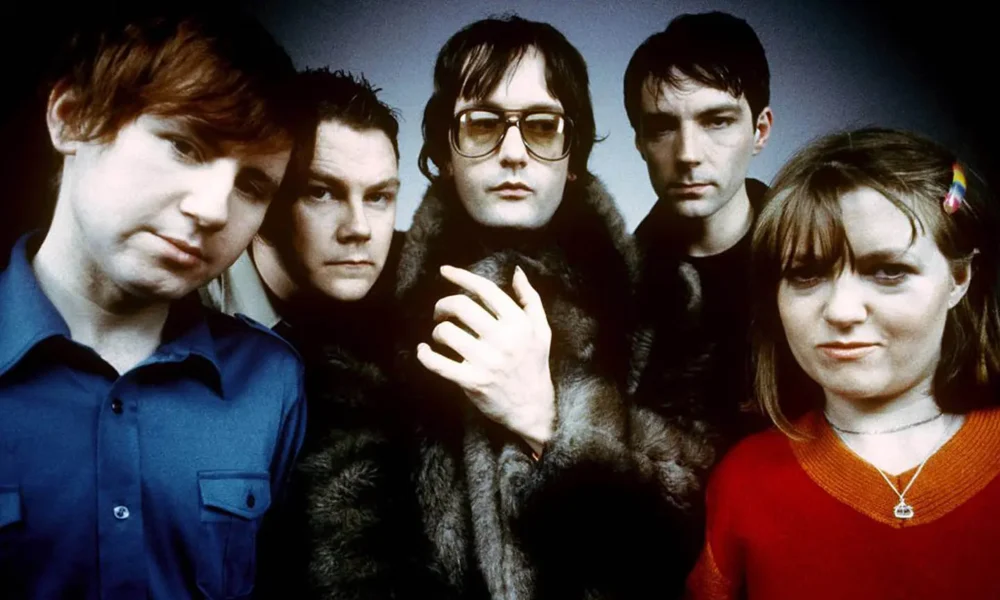
Pulp performing live
Jump to Song

What Makes a Great Pulp Song?

A great Pulp song is a piece of social fiction as much as it is a pop record. Jarvis Cocker doesn't write about emotions in the abstract — he situates them in specific rooms, specific conversations, specific class positions and sexual encounters, with a precision that makes them feel both completely particular and immediately generalisable. The best tracks are written from the inside of an experience that the listener recognises, even if they have never lived it exactly: the desire for someone you can't have, the humiliation of wanting more than you were born to, the way time compresses the significant into the ordinary.

The music underneath is equally deliberate: Candida Doyle's synthesisers add a disco and glam rock shimmer that gives even the most painful subject matter a surface glamour, and Nick Banks and Steve Mackey provide a rhythmic urgency that keeps the songs moving regardless of how reflective Cocker's vocal becomes. These ten tracks cover the full catalogue — His 'n' Hers, Different Class, This Is Hardcore, and We Love Life.

Top 10 Pulp Songs Ranked

01

Common People

Album: Different Class · 1995
Different Class

"Common People" is one of the greatest British pop songs ever written — a sustained and formally remarkable attack on class tourism that builds from a deceptively simple opening through an escalating verse of increasingly furious specificity to a chorus that manages to be simultaneously an anthem and a cry of helplessness. Cocker's lyric operates on multiple registers at once: the narrator is angry, attracted, contemptuous, and ultimately impotent, because the worst thing he can articulate — "you'll never live like common people, you'll never do whatever common people do" — is not a threat but a fact. The production, centred on Doyle's synthesiser and a genuinely danceable groove, makes the whole thing feel jubilant even as the lyric is devastating.

Song Origin

Cocker has confirmed that the song is based on a real encounter with a Greek art student at Central Saint Martins who told him she wanted to live like common people. The lyric's attack on class tourism — the appropriation of working-class experience as aesthetic choice by those who have the privilege to leave it — is one of the most precise and enduring pieces of social criticism in British pop.

Why #1: one of the greatest British pop songs ever written — formally remarkable, culturally essential, and still as angry and precise as it was in 1995.
02

Babies

Album: His 'n' Hers · 1994
His 'n' Hers

"Babies" is the most perfectly constructed song on His 'n' Hers and the track that best introduced Cocker's voyeuristic, confessional songwriting style to a wider audience. The lyric — about hiding in a wardrobe to watch an older girl's romantic encounters, then later dating her younger sister — is presented with such matter-of-fact candour that the listener barely has time to register how transgressive the subject matter is before the chorus arrives and makes it feel like the most natural thing in the world. The synthesiser hook is immediate and indelible. It is the track that most clearly previews what Different Class would do at full commercial scale.

Why #2: the most perfectly constructed His 'n' Hers track — introduces Cocker's confessional, voyeuristic style with complete confidence and an indelible hook.
03

Disco 2000

Album: Different Class · 1995
Different Class

"Disco 2000" is the most nostalgic song in the Pulp catalogue and the track that demonstrates Cocker's gift for inhabiting the precise emotional temperature of a specific kind of memory — the reunion with a childhood friend that never quite happens, the relationship that should have been something but wasn't, the way the future you imagined in youth diverges from the one you end up with. The lyric's specificity is remarkable: the name "Deborah," the "babies' names on a bus shelter wall," the invitation to meet "outside the old town hall." The production is the most straightforwardly danceable on the album, which gives the melancholy of the lyric an ironic counterpoint that is characteristic of Cocker at his best.

Why #3: the most nostalgic Pulp song — a lyric of remarkable specificity about the reunion that never quite happens, over the most danceable production on the album.
04

This Is Hardcore

Album: This Is Hardcore · 1998
This Is Hardcore

"This Is Hardcore" is the most formally ambitious song in the Pulp catalogue and the centrepiece of the band's most difficult and most underrated album. The lyric addresses the anxiety of fame, the pornography of image-making, and the sense of watching oneself perform from the outside — all refracted through a metaphor of pornography that is both genuinely disturbing and entirely apt. The arrangement is orchestral and claustrophobic, building across seven minutes to a climax that feels more like dread than triumph. It was designed to unsettle an audience who expected another Different Class, and it succeeded. Its reputation has grown steadily since.

Song Context

The pornography metaphor in "This Is Hardcore" operates on several levels: literally, as an account of watching pornographic films; metaphorically, as a reflection on the mechanics of celebrity and performance — the sense of being watched, of performing a role, of the gap between the person and the image. Cocker has described the album as a response to the disorientation of sudden fame after fifteen years of obscurity.

Why #4: the most formally ambitious Pulp song — seven minutes of orchestral dread that is the centrepiece of their most underrated album.
05

Mis-Shapes

Album: Different Class · 1995
Different Class

"Mis-Shapes" is the most politically explicit song in the Pulp catalogue and the track most directly addressed to the outsiders, the misfits, and the people who didn't fit the prevailing definitions of cool. The lyric is an anthem for people who have always been on the wrong side of beauty and belonging, delivered with the gleeful defiance of someone who has spent fifteen years being ignored and has now found himself with a platform. The double A-side with "Sorted for E's & Wizz" reached number two in the UK and introduced the band to the mainstream at precisely the moment they had the most to say to it.

Why #5: the most politically explicit Pulp song — an anthem for outsiders and misfits delivered at the exact moment the band had a mainstream audience to receive it.
06

I Spy

Album: Different Class · 1995
Different Class

"I Spy" is the best deep cut on Different Class and possibly the most unsettling song in the Pulp catalogue — a slow-building, nine-minute account of class resentment told from the perspective of someone who has infiltrated the lives of the privileged by sleeping with their women, and who views this as a kind of revenge rather than a genuine connection. The narrator is not sympathetic; he is bitter, calculating, and self-aware about his own bitterness. It is a remarkable piece of character writing, and the arrangement — which builds patiently through its nine minutes before a final section of controlled chaos — matches the lyric's controlled fury.

Why #6: the best Different Class deep cut — nine minutes of controlled class resentment from a narrator who is deliberately unsympathetic and unforgettable.
07

Help the Aged

Album: This Is Hardcore · 1998
This Is Hardcore

"Help the Aged" is the most tender song in the Pulp catalogue — a single written from the perspective of the very old speaking to the very young, addressing them with a mixture of affection and pragmatic urgency: help us now, because one day this will be you. The lyric achieves something unusual in pop — genuine compassion for the aged rather than sentiment about them — and Cocker delivers it without irony, which is even more unusual for a songwriter whose default mode involves considerable distance. It was a number eight UK single and is one of the most emotionally straightforward things the band ever recorded.

Why #7: the most tender Pulp song — genuine compassion for the aged rather than sentiment, delivered without Cocker's usual ironic distance.
08

Do You Remember the First Time?

Album: His 'n' Hers · 1994
His 'n' Hers

"Do You Remember the First Time?" is the most immediately accessible track from His 'n' Hers and the single that first brought Pulp to wider attention in 1994. The lyric — about revisiting a past sexual encounter and finding it harder to locate the emotion that made it significant — is vintage Cocker: specific without being crude, melancholy without being maudlin, and structured around a hook that makes the whole thing feel like a celebration rather than a lament. The accompanying short film, in which celebrities were asked about their first sexual experiences, generated as much attention as the song itself.

Why #8: the most accessible His 'n' Hers track and the single that first brought the band to wider attention — vintage Cocker lyric over an immediately appealing melody.
09

Sorted for E's & Wizz

Album: Different Class · 1995
Different Class

"Sorted for E's & Wizz" is the more reflective of the double A-side with "Mis-Shapes" and the song that most directly engages with the rave and festival culture of the early 1990s — specifically the morning after, when the euphoria has faded and the promised revelation hasn't arrived. The lyric is a precise account of the emptiness that follows collective ecstasy, and it generated considerable controversy at the time due to the drug references in the title (the sleeve contained instructions for making a drugs wrap, which several newspapers complained about). The music is slower and more melancholy than most of the album, which suits the subject perfectly.

Why #9: the most culturally specific Different Class track — an account of rave culture's morning-after emptiness that generated controversy and holds up as social document.
10

Wickerman

Album: We Love Life · 2001
We Love Life

"Wickerman" closes this ranking as the most distinctive track from Pulp's final original album and the song that best represents the quieter, more pastoral direction that the Scott Walker-produced We Love Life took. The lyric is an account of a couple's relationship through the changing seasons, told with the wry, detached observation that characterises Cocker's best work. The production — more acoustic, more spacious than anything on Different Class or This Is Hardcore — gives it a different emotional register without sacrificing the precision and wit that define the band's best material. An essential listen for anyone who assumes the story ends with the Commercial peak.

Why #10: the best We Love Life track — demonstrates the quieter, pastoral direction of the final album and proves the story doesn't end with Different Class.

Best Pulp Songs for Beginners

Common PeopleStart here — the most famous and culturally essential Pulp song.
Disco 2000For melody — the most immediately nostalgic and accessible track.
BabiesFor the early sound — the confessional style at its most perfectly constructed.
Mis-ShapesFor the outsider anthem — the most politically direct and joyfully defiant track.
Help the AgedFor emotional range — Cocker at his most tender and least ironic.
This Is HardcoreFor ambition — the most formally daring song and the dark counterpart to Different Class.

Best Pulp Albums to Hear Next

1995
Different Class

The correct starting album. Contains Common People, Disco 2000, Mis-Shapes, I Spy, and Sorted for E's & Wizz. One of the greatest British pop albums of the 1990s.

1994
His 'n' Hers

Contains Babies and Do You Remember the First Time?. The breakthrough — rawer and more claustrophobic than Different Class, and equally essential.

1998
This Is Hardcore

Contains the title track and Help the Aged. The dark, formally ambitious follow-up that deserves reappraisal as one of the most significant British pop albums of the decade.

Pulp Songs: FAQ

What is Pulp's best song?
Common People — one of the greatest British pop songs ever written and the most culturally significant thing Jarvis Cocker has put his name to. Babies is the most perfectly constructed individual track. This Is Hardcore is the most formally ambitious.
What is Common People about?
Jarvis Cocker's attack on class tourism — the real-life Greek art student who told him she wanted to live like common people becomes the vehicle for a sustained, furious examination of the privilege of being able to choose working-class experience as an aesthetic or lifestyle, and the reality that those choices are only available to people who can leave them. "You'll never live like common people, you'll never do whatever common people do" — the narrator can't stop her, and that impotence is what makes the song devastating rather than triumphant.
Is This Is Hardcore worth listening to?
Yes — it is now widely regarded as one of the most significant and formally adventurous British pop albums of the 1990s. It was divisive on release because the contrast with Different Class was so jarring: darker, more claustrophobic, more explicitly about the anxieties of fame and image. The title track is one of the greatest songs in the catalogue. Approach it as a separate work rather than a follow-up and it rewards sustained attention.
What is Mis-Shapes about?
"Mis-Shapes" is an anthem for people who have never fitted in — outsiders, misfits, those who have been on the wrong side of cool, beauty, or social acceptability. The lyric addresses them directly, with the gleeful confidence of someone who has spent fifteen years being ignored by exactly the kind of people the song is challenging. The "we" of the song is Pulp's audience — the people who grew up on the margins and found, in the band, a voice that recognised them.
What is the significance of We Love Life?
We Love Life (2001), produced by Scott Walker, is the most overlooked album in the Pulp catalogue. It is quieter, more pastoral, and more melancholy than anything that preceded it — a deliberate step back from the scale of Different Class and the confrontation of This Is Hardcore. "Wickerman" and "Bad Cover Version" are two of the best things Cocker wrote for the band. It is a record worth revisiting for anyone who assumes the band's story ends with their commercial peak.

Explore More