▮ Back to Machine Head
▮ Ranked Songs · Machine Head · Groove Metal · Oakland

Machine Head Best Songs Ranked — The Definitive Guide From Burn My Eyes to The Blackening and beyond

Machine Head have one of heavy metal's most rewarding catalogues — Robb Flynn's groove-driven riff machine shifting between crushing debut simplicity and the progressive eight-minute epics of The Blackening, with a comeback story and a creative durability that few metal bands of any era can match. This guide ranks the 10 best Machine Head songs, explains their meanings, and maps everything new fans need to know.

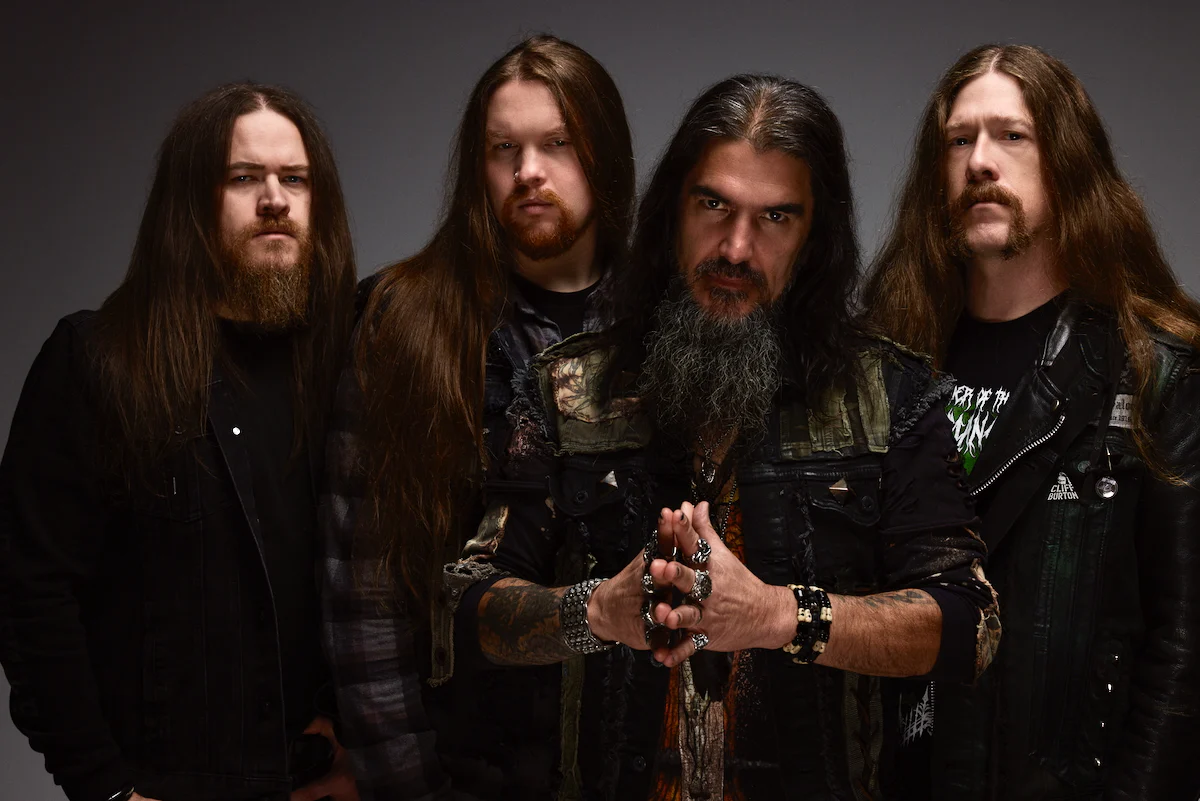
Machine Head performing live — Robb Flynn on stage
▮ Jump to Song

What Makes a Great Machine Head Song?

A great Machine Head song is built on a riff that hits before you have time to think about it — and then develops far enough that thinking about it becomes rewarding anyway. Robb Flynn's rhythm guitar playing occupies a specific groove metal space: the downtuned weight of Pantera, the Bay Area precision of the thrash tradition he came from, and a melodic instinct that becomes fully apparent in the extended progressive pieces of the 2007–2011 peak. The best Machine Head songs have that combination — physical impact and compositional intelligence, simultaneously.

Machine Head formed in Oakland in 1991. The catalogue spans thirty years and ten studio albums, ranging from the raw groove metal of the debut through the nu-metal detour of 1999–2001 (an era Flynn has acknowledged as a creative mistake), the comeback of Through the Ashes of Empires, the creative summit of The Blackening, and the ongoing work of a band that has outlasted most of its contemporaries without repeating itself.

This ranking is weighted toward the classic and peak eras — Burn My Eyes, The More Things Change, Through the Ashes of Empires and especially The Blackening — while including the finest material from Unto the Locust and Bloodstone & Diamonds.

Top 10 Machine Head Songs Ranked

01

Davidian

Album: Burn My Eyes · 1994
Burn My Eyes

Davidian is Machine Head's most iconic and most instantly defining song — the riff that introduced the band to the world and remains one of the great opening statements in groove metal. The opening figure is immediately recognisable and immediately devastating: downtuned, syncopated, with a physical weight that most metal guitar achieves only at much slower tempos. The contrast between that heaviness and the velocity at which Machine Head play it is the founding Machine Head paradox, stated more clearly here than on any subsequent track.

The song builds from the riff through Robb Flynn's verse — aggressive, direct, politically charged — to a chorus that releases the tension with proportional force. The solo section demonstrates the guitar work that would become more elaborate on later albums. But the simplicity of the arrangement is the point: Davidian is what Machine Head sound like at their most elemental, and their most elemental is still overwhelming.

Song Meaning

Davidian references the Branch Davidians, the religious group whose compound in Waco, Texas was besieged by federal agents in 1993 — a siege that ended with the deaths of 76 people, many of them children, when the compound burned. Flynn wrote the song in the immediate aftermath, and the lyric reflects his fury at what he saw as government overreach and the militaristic approach of federal agencies toward American citizens. The most famous line — "Let freedom ring with a shotgun blast" — is a deliberately provocative inversion of patriotic language, redeploying the rhetoric of American liberty against the government invoking it.

Why #1: the founding Machine Head statement and the groove metal riff that proved the band's existence — elemental, overwhelming and still unmatched as an opening statement.
02

Halo

Album: The Blackening · 2007
The Blackening

Halo is Machine Head's most compositionally sophisticated and most emotionally complex song — an eight-minute-plus piece from The Blackening that combines the full force of the Flynn/Demmel twin-guitar attack with a melodic development and an emotional arc that neither the debut's raw power nor the comeback album's riff-focus fully prepared the listener for. The song moves through multiple distinct sections with a logic and a purpose that make the length feel earned rather than indulgent.

The clean vocal sections — Flynn's singing voice, more exposed here than anywhere in the earlier catalogue — create a dynamic with the heavy passages that amplifies both. The chorus, when it arrives in full, is one of the finest moments on any Machine Head album: the melody, the arrangement and the emotional content all arriving simultaneously at their highest point. For many fans this is the Machine Head song — the one they would choose if forced to select a single track.

Song Meaning

Halo is about the loss of faith — the specific experience of having believed in something absolutely and then having that certainty collapse. Flynn has described drawing on his personal experience with religion, though the themes apply equally to any belief system (romantic, political, spiritual) that has fallen apart. The "halo" of the title is the aura of belief that surrounds the thing you trusted — and the song charts the process of watching that aura darken and finally disappear. It is the most emotionally vulnerable Machine Head track and the most fully realised.

Why #2: the most compositionally sophisticated and emotionally complete Machine Head song — eight minutes of the Flynn/Demmel twin-guitar peak that many fans consider the band's true summit.
03

Imperium

Album: Through the Ashes of Empires · 2003
Through the Ashes

Imperium is the finest track on the comeback album and the single piece of music most responsible for demonstrating that Machine Head's creative decline of the nu-metal years was not permanent. The opening — an ominous keyboard figure before the full band drops in — is the most atmospheric Machine Head intro on any track, and the song's development from that quiet beginning through multiple sections of escalating intensity is the clearest preview of the progressive ambitions that The Blackening would fully realise four years later.

Phil Demmel's arrival as lead guitarist transformed the band's guitar sound — the twin-guitar harmonies and the more elaborate lead work on Through the Ashes are substantially more developed than the solo guitar approach of the debut era — and Imperium is the track where his contribution is most immediately evident. The nine-minute runtime is the longest Machine Head had attempted at this point, and the fact that it earns every minute is the proof of concept for everything that followed.

Why #3: the comeback's defining statement and the proof that Machine Head could sustain progressive ambition across nine minutes — the first clear sign of what The Blackening would become.
04

Aesthetics of Hate

Album: The Blackening · 2007
The Blackening

Aesthetics of Hate is the most politically furious track on The Blackening — written as a direct response to an article by conservative commentator William Grim that dismissed Dimebag Darrell (murdered on stage in 2004) as unworthy of mourning because of his music's perceived moral failings. Flynn's anger at the article is the emotional fuel for the song, and the fury of the performance — the speed, the riff intensity, the vocal aggression — reflects that specific outrage.

The track is also among the most technically demanding on the album, with the Flynn/Demmel guitar interplay at its most intricate and the rhythm section locked in at a precision that matches the speed. It demonstrates the range of The Blackening: an album that could move from the emotional complexity of Halo to the political fury of this track within the same sequence and make both feel necessary.

Song Meaning

Aesthetics of Hate was written in direct response to an article by William Grim published after Dimebag Darrell's murder, which argued that Darrell was undeserving of the widespread grief his death provoked because his music was morally corrupting. Flynn's response — delivered at maximum velocity and maximum fury — is both a defence of Dimebag specifically and a broader argument about the value of heavy metal and the people who make it. The "aesthetics of hate" of the title is Grim's article itself, and the song's energy is the rebuttal.

Why #4: the most politically furious Blackening track — a tribute to Dimebag Darrell delivered as an act of maximum velocity fury, the Flynn/Demmel interplay at its most technically demanding.
05

Ten Ton Hammer

Album: The More Things Change... · 1997
More Things Change

Ten Ton Hammer is the finest track on the second album and the Machine Head song most likely to be cited by fans who want to demonstrate the quality of the 1997 record's contribution alongside the better-known debut and comeback material. The riff is among the finest Flynn has written — slower than the debut material, heavier for the deceleration, with a groove that makes the physical impact proportionally greater — and the song demonstrates how much the band had developed compositionally in the three years between albums.

The track also contains some of Flynn's most direct and most emotionally raw lyrical writing of the early period — the subject is addiction and the specific devastation it causes to everyone connected to the person struggling, handled with the kind of unflinching honesty that characterises the best Machine Head writing. It is a song that earns its heaviness rather than simply demonstrating it.

Why #5: the essential second-album track — the riff that proves 1997 Machine Head was as strong as 1994, and Flynn's most direct early lyrical writing.
06

Who We Are

Album: Unto the Locust · 2011
Unto the Locust

Who We Are is the most anthemic and most collectively addressed Machine Head song — a piece that turns outward from the personal fury and complexity of the surrounding material toward something that functions as a declaration of identity on behalf of a community. The lyric addresses the heavy metal audience directly: who we are as people who chose this music, what that choice says about us, and the specific solidarity of a shared aesthetic identity that carries genuine values.

Flynn's melodic singing in the chorus is his finest on any Machine Head album, and the orchestral elements that appear in the arrangement give the song a grandeur that the heavier surrounding material does not attempt. It is the Unto the Locust track most likely to be performed at high-profile live moments and the one that most directly creates the feeling of collective belonging that the best heavy metal produces.

Why #6: the most anthemic Machine Head track and the finest melodic vocal performance Flynn has recorded — a collective declaration that turns individual listening into community.
07

Clenching the Fists of Dissent

Album: The Blackening · 2007
The Blackening

At ten minutes and forty-six seconds, Clenching the Fists of Dissent is the longest Machine Head studio track and the most ambitious compositional piece on The Blackening. The song addresses the Iraq War and the political deception that enabled it — Flynn's anger at the gap between the official justifications for the war and the reality of what the invasion produced — with a sustained fury that the extended runtime allows to develop rather than simply repeat.

The song's multiple sections — each with its own character and emotional register — create a narrative arc that the shorter tracks cannot achieve: the build, the escalation, the moments of melodic relief and the return to maximum intensity all serve the political argument of the lyric. It is the Machine Head track that most fully realises the progressive ambitions of the Blackening era and the one that most rewards close repeated listening.

Why #7: the most compositionally ambitious Machine Head track — ten minutes of sustained political fury about the Iraq War, the progressive ambition of The Blackening era at its fullest.
08

Killers & Kings

Album: Bloodstone & Diamonds · 2014
Bloodstone & Diamonds

Killers & Kings is the finest track on the underrated Bloodstone & Diamonds and the best argument for that album's reassessment. The song combines the melodic instincts of the Unto the Locust era with a harder and more direct riff approach than the Blackening material, landing at a point that is more accessible than the epics while being substantially heavier than the nu-metal period ever managed. The chorus is immediate and anthemic — built for arenas — and the guitar work demonstrates that the post-Phil Demmel lineup could still produce material of genuine quality.

Its placement in this ranking reflects the honest assessment that Bloodstone & Diamonds is a better album than its reception suggested, and that this track in particular deserves wider attention than the album's underwhelming commercial performance brought it.

Why #8: the essential Bloodstone & Diamonds track and the best argument for the album's reassessment — arena-scale chorus and genuine heaviness in productive balance.
09

A Farewell to Arms

Album: The Blackening · 2007
The Blackening

A Farewell to Arms is the most emotionally direct and most clearly anti-war track on The Blackening — a piece that takes the political fury of Clenching the Fists of Dissent and compresses it into a more direct, shorter, more melodically accessible format that makes the emotional content more immediately available. The song takes Hemingway's title and uses it for a direct address to the human cost of military conflict — the specific people who die, not the abstract politics of why they were sent.

It demonstrates the range of The Blackening's anti-war content: where Clenching the Fists of Dissent is about political deception and outrage, A Farewell to Arms is about grief. Both are necessary; together they cover the subject more completely than either could alone.

Why #9: the emotional counterpoint to Clenching the Fists of Dissent — where that song is outrage, this is grief, and the two together cover the human cost of war more completely than either alone.
10

Darkness Within

Album: Unto the Locust · 2011
Unto the Locust

Darkness Within closes this ranking as the most melodically open and most emotionally exposed Machine Head track — a song in which Flynn's clean vocal is the primary instrument for the majority of the runtime, the heavy arrangement appearing only in specific sections rather than as the constant foundation. It demonstrates a dimension of the band's capability that the groove metal and thrash metal contexts do not always permit: genuine melodic songwriting, emotional vulnerability and compositional restraint as creative choices rather than compromises.

The lyric addresses depression and the specific inner darkness that many people carry — Flynn has spoken about his own experiences with these themes — with a directness that the surrounding heavy material's conventions usually prevent. Its presence in this ranking reflects the assessment that emotional courage of this order deserves acknowledgment alongside the more obviously powerful material above it.

Why #10: the most emotionally exposed Machine Head track — Flynn's clean vocal carrying a lyric about depression and inner darkness, demonstrating a dimension of the band that the heavier material leaves little room for.

Best Machine Head Songs for Beginners

New to Machine Head? These six tracks build from the most immediately accessible toward the full progressive depth of the catalogue.

DavidianStart here — the founding riff and the most elemental Machine Head statement, everything the band is in four minutes.
Ten Ton HammerThe best second track — heavier for being slower, proving the debut approach was one mode among several.
ImperiumThe comeback statement — nine minutes that proved the progressive ambition before The Blackening made it complete.
Who We AreThe most melodically accessible and the most anthemic — Machine Head for those who want the communal rather than the brutal.
Killers & KingsThe most recent-era entry point — arena chorus and genuine heaviness from the post-2013 lineup.
HaloThe summit — eight minutes of the twin-guitar peak, approached after the shorter tracks have prepared the listener for its full complexity.

Best Machine Head Albums to Hear Next

1994
Burn My Eyes

The best starting album. Contains Davidian, Old, A Thousand Lies, Death Church. The founding groove metal Machine Head statement — raw, heavy and immediately impactful. Produced by Colin Richardson, this is the album that proved the band.

2007
The Blackening

The creative peak. Contains Halo, Aesthetics of Hate, Clenching the Fists of Dissent, A Farewell to Arms. Won Metal Hammer's Album of the Decade for the 2000s. The essential second step and, for many fans, the reason to listen to the rest of the catalogue.

2003
Through the Ashes of Empires

The comeback. Contains Imperium, Seasons Wither, Vim. The album that restored the band's creative standing after the nu-metal years. Essential for understanding the progression from debut to Blackening.

1997
The More Things Change...

Contains Ten Ton Hammer, Take My Scars, Spine. Heavier and more technically developed than the debut. Underrated — the album that most rewards listeners who exhaust the two essential records.

2011
Unto the Locust

Contains Who We Are, Darkness Within, Locust. Continues the Blackening's progressive ambition with orchestral additions and Flynn's most exposed melodic singing. The finest album of the post-Blackening era.

Honourable Mentions

  • Old (Burn My Eyes, 1994) — the debut's most emotionally raw track and the first evidence of Flynn's vulnerability beneath the aggression
  • Take My Scars (The More Things Change, 1997) — the second album's most immediately forceful track and a live staple
  • Seasons Wither (Through the Ashes of Empires, 2003) — the most melodically developed Through the Ashes track and the bridge between comeback and peak-era ambition
  • Now We Die (Bloodstone & Diamonds, 2014) — the heaviest post-Blackening track and the strongest case for the 2014 album's reassessment after Killers & Kings
  • Locust (Unto the Locust, 2011) — the title track and one of the most melodically immediate Machine Head singles
  • Choke on the Ashes of Your Hate (Of Kingdom and Crown, 2022) — the best track from the most recent album and the most convincing evidence that Flynn's creative capability remains intact

Machine Head Songs: FAQ

What is Machine Head's best song?
Davidian is placed first as the most iconic and most defining Machine Head song — the founding groove metal riff. Halo from The Blackening is the most compositionally sophisticated and the track many fans consider the true artistic peak.
What does Davidian mean?
References the Branch Davidians, whose compound at Waco, Texas was besieged by federal agents in 1993 in a siege that killed 76 people. Flynn wrote it in immediate response, expressing fury at government overreach. The line "Let freedom ring with a shotgun blast" deliberately inverts patriotic language against the authorities invoking it.
What does Halo mean?
About losing faith — the specific experience of having believed absolutely in something and watching that certainty collapse. Flynn has drawn on his personal experience with religion, though the themes apply to any belief system. The "halo" is the aura of belief surrounding what you trusted, darkening and disappearing.
What is The Blackening?
Machine Head's sixth studio album (2007), widely regarded as their creative masterpiece and one of the finest heavy metal albums of the 2000s. Won Metal Hammer's Album of the Decade. Seven of eight tracks exceed five minutes. Contains Halo, Aesthetics of Hate and Clenching the Fists of Dissent.
What does Aesthetics of Hate mean?
Written in direct response to a conservative article by William Grim dismissing Dimebag Darrell as unworthy of grief after his murder on stage in 2004. Flynn's fury at the article is the song's emotional fuel — a defence of Dimebag specifically and of heavy metal broadly.
What is the best Machine Head album to start with?
Burn My Eyes (1994) is the best starting album — contains Davidian and the definitive groove metal Machine Head statement. The Blackening (2007) is the creative peak and the essential second step. Through the Ashes of Empires (2003) is the best bridge between the two eras.
Is Machine Head still active?
Yes. Machine Head released Of Kingdom and Crown in 2022 and continue to tour. The current lineup is Robb Flynn (vocals, guitar), Jared MacEachern (bass) and Matt Alston (drums). Flynn is the sole constant member since Phil Demmel and Dave McClain departed in 2018.
What genre is Machine Head?
Primarily groove metal and thrash metal — with progressive metal elements prominent in the 2007–2011 peak era. Their sound also incorporates Bay Area thrash influences, nu-metal (in the 1999–2001 period), and melodic hard rock in the later work. They resist simple genre classification across the full catalogue.

Explore More Metal Guides