MachineHead
Founded 1991 · Oakland, California · Heavy Metal
Machine Head are one of heavy metal's most durably vital bands — Robb Flynn's groove-driven riff machine, equally fluent in the crushing sludge of their 1994 debut and the prog-metal epic ambitions of The Blackening, and still capable of career-redefining work three decades in. This is the complete guide: history, albums, members and where to start.
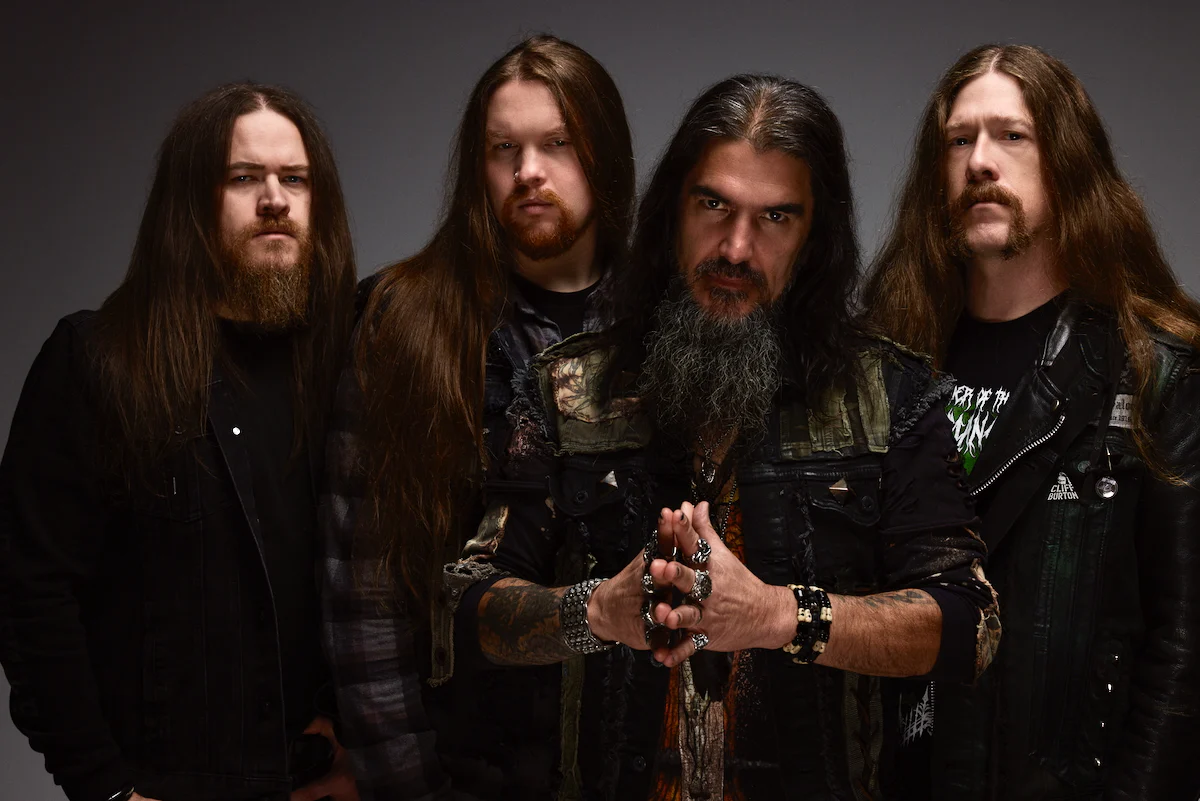
Who Are Machine Head?
Machine Head are a heavy metal band from Oakland, California — founded in 1991 by Robb Flynn after his departure from the Bay Area thrash act Vio-lence. They occupy a unique position in the heavy metal landscape: a band with deep roots in the Bay Area thrash tradition that absorbed groove metal, nu-metal, progressive metal and melodic rock influences across successive albums without ever losing the fundamental quality that makes great metal work — the riff.
Flynn is the band's creative centre, sole constant member and one of the most technically and compositionally capable guitarist-songwriters in contemporary heavy metal. His ability to write at multiple registers — from the crushing downtuned groove of Burn My Eyes to the eight-minute prog-metal epics of The Blackening to the melodic anthems of Unto the Locust — has kept Machine Head creatively vital across a thirty-year career during which many contemporaries have either repeated themselves or faded entirely.
The band's critical and commercial fortunes have been genuinely uneven — the nu-metal experiments of The Burning Red and Supercharger drew criticism from purists; Catharsis (2018) divided even committed fans — but the peaks have been extraordinary, and The Blackening in particular is widely considered one of the finest heavy metal albums of the 2000s.
Start with Burn My Eyes (1994) for the raw groove metal foundation, then go straight to The Blackening (2007). Those two albums tell you everything you need to know about what Machine Head can do at their best.
Current Members
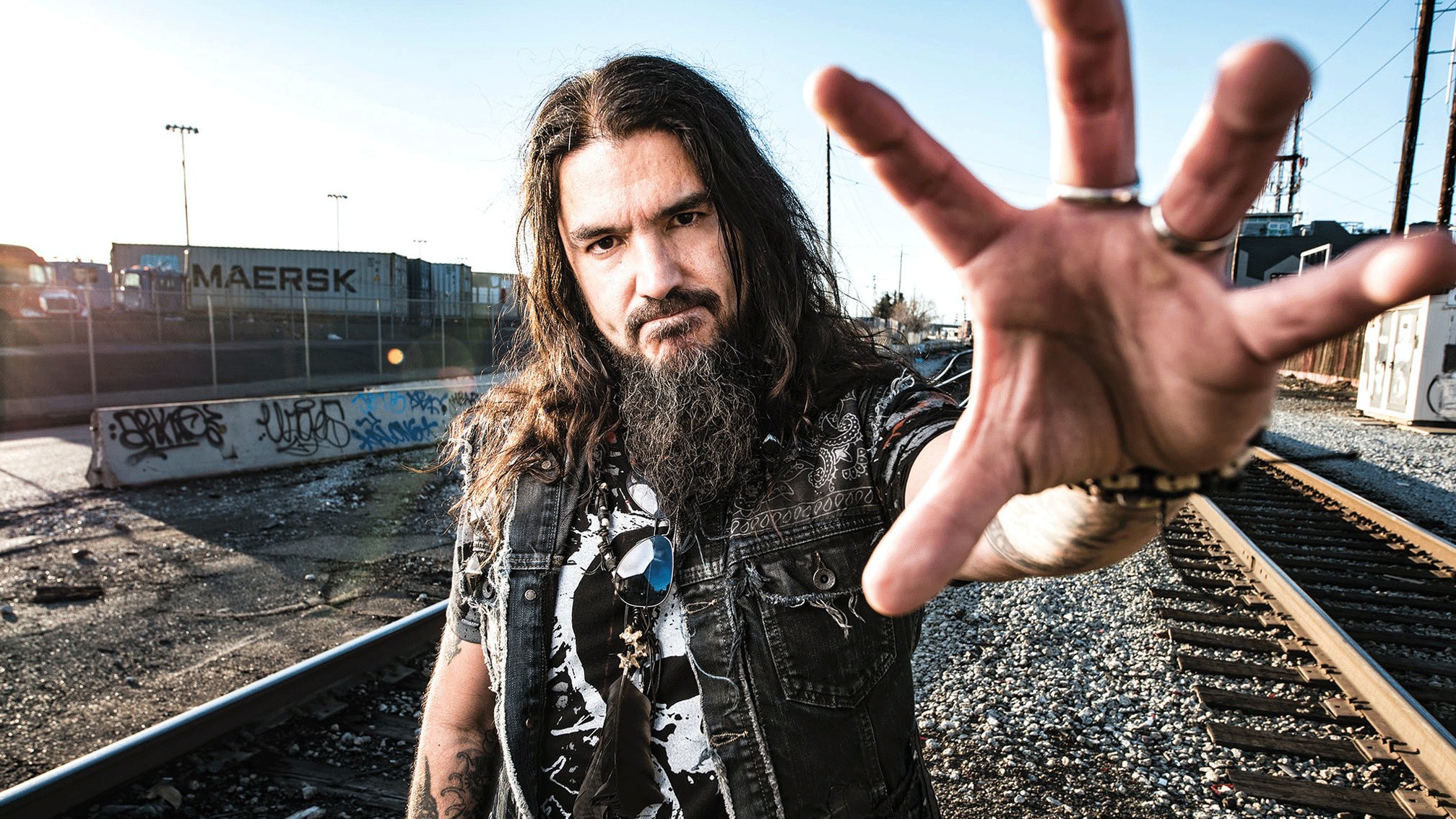
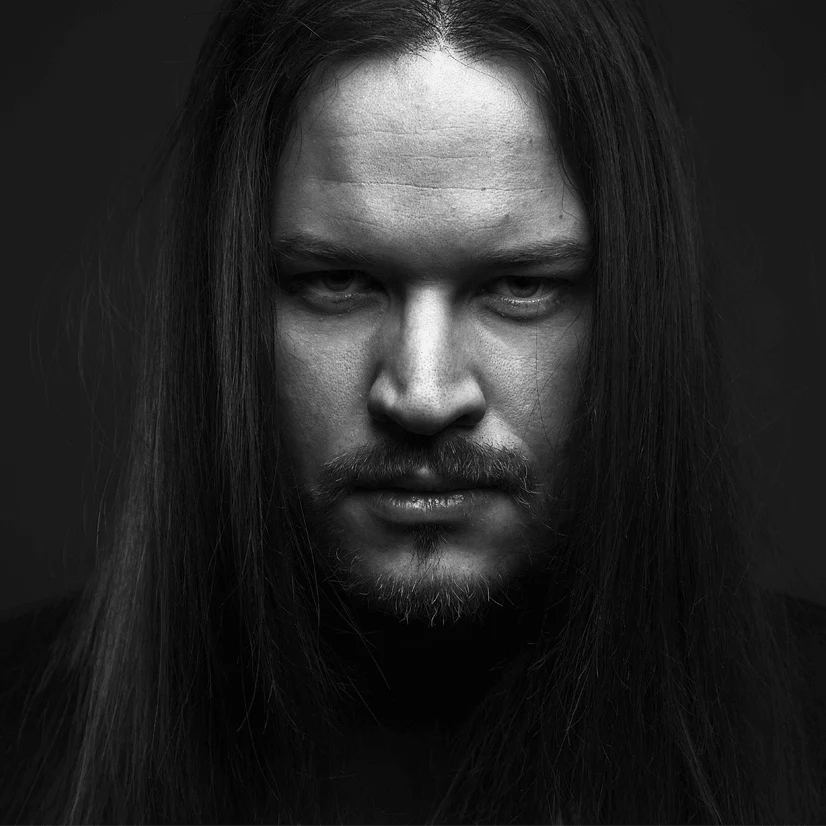
Adam Duce (bass, 1991–2013) — co-founding member, present on all classic-era albums through Unto the Locust. His departure in 2013, handled publicly with some acrimony, marked the end of the original core lineup. Dave McClain (drums, 1994–2018) — appeared on every album from Burn My Eyes through Bloodstone & Diamonds, one of the most consistent drummers in contemporary metal. Phil Demmel (lead guitar, 2003–2018) — co-lead guitarist across the finest Machine Head albums, including the twin-guitar attack on The Blackening.
Band History
Full Discography
Robb Flynn: The Creative Force
Robert James Flynn was born on 19 April 1968 in San Francisco, California. He grew up in the Bay Area during the formative period of Bay Area thrash metal — Metallica, Exodus, Testament — and began playing guitar in his teens, developing the aggressive downstroke-heavy rhythm playing and the melodic lead sensibility that would define Machine Head's sound.
Before Machine Head he played in Vio-lence, a Bay Area thrash band that achieved a cult following without the commercial breakthrough their ability warranted. His departure in 1991 to found Machine Head was motivated by a desire to pursue a heavier and more groove-oriented sound than Vio-lence's thrash approach allowed.
Flynn's guitar playing is distinctive for several reasons beyond the obvious technical facility. His rhythm playing combines the aggressive downstroke attack of Bay Area thrash with the downtuned groove of Pantera-influenced metal, creating a foundation for riffs that are both fast and physically heavy in a way that purely thrash-speed picking does not achieve. His lead playing — most fully displayed in the twin-guitar arrangements of The Blackening era with Phil Demmel — has a melodic sensibility that the surrounding heaviness often obscures.
He has also been notable for his public engagement with political and social issues — his open letter responses to political events, his advocacy around social justice causes and his frankness in interviews about the music industry. His public persona is more politically engaged and more emotionally open than the heavy metal context might suggest, and that openness has shaped the lyrical content of Machine Head at their most direct.
Flynn has operated Machine Head as a solo vehicle in effect since 2018, with full creative control over the direction of the band. The dissolution of the classic lineup left him as the sole defining voice, which has made the most recent albums both more personal and more creatively risky than the collaborative work of the peak era.
The Machine Head Sound
Machine Head's sound is not easily categorised — which is one of the things that makes the band interesting and one of the things that has occasionally frustrated genre-defined metal audiences. The foundation is groove metal: the downtuned, syncopated riffing that combines the speed of thrash with the physical weight of doom, producing music that is both fast enough to headbang and heavy enough to feel in your chest. That foundation has remained constant across the lineup changes and stylistic experiments.
On top of that foundation Flynn has added melodic singing (developed progressively from Through the Ashes of Empires onward), progressive compositional structures (fully realised on The Blackening), orchestral elements (Unto the Locust), and — less successfully — nu-metal vocal patterns and radio-friendly songwriting (The Burning Red, Supercharger). The contrast between the worst and the best of the catalogue is stark enough to make new listeners wonder whether they are hearing the same band.