◈ Back to Bands
◈ Band Guide · Tool · Progressive Metal · Los Angeles

ToolBand Guide

Founded 1990 · Los Angeles, California · Progressive Metal

Tool are the most intellectually serious and most sonically uncompromising band to achieve genuine mainstream success in the history of heavy music — Maynard James Keenan's voice and vision over Adam Jones's sculptural guitar, Danny Carey's polyrhythmic drumming and Justin Chancellor's bass, producing a body of work that rewards study as much as it rewards listening. This is the complete guide.
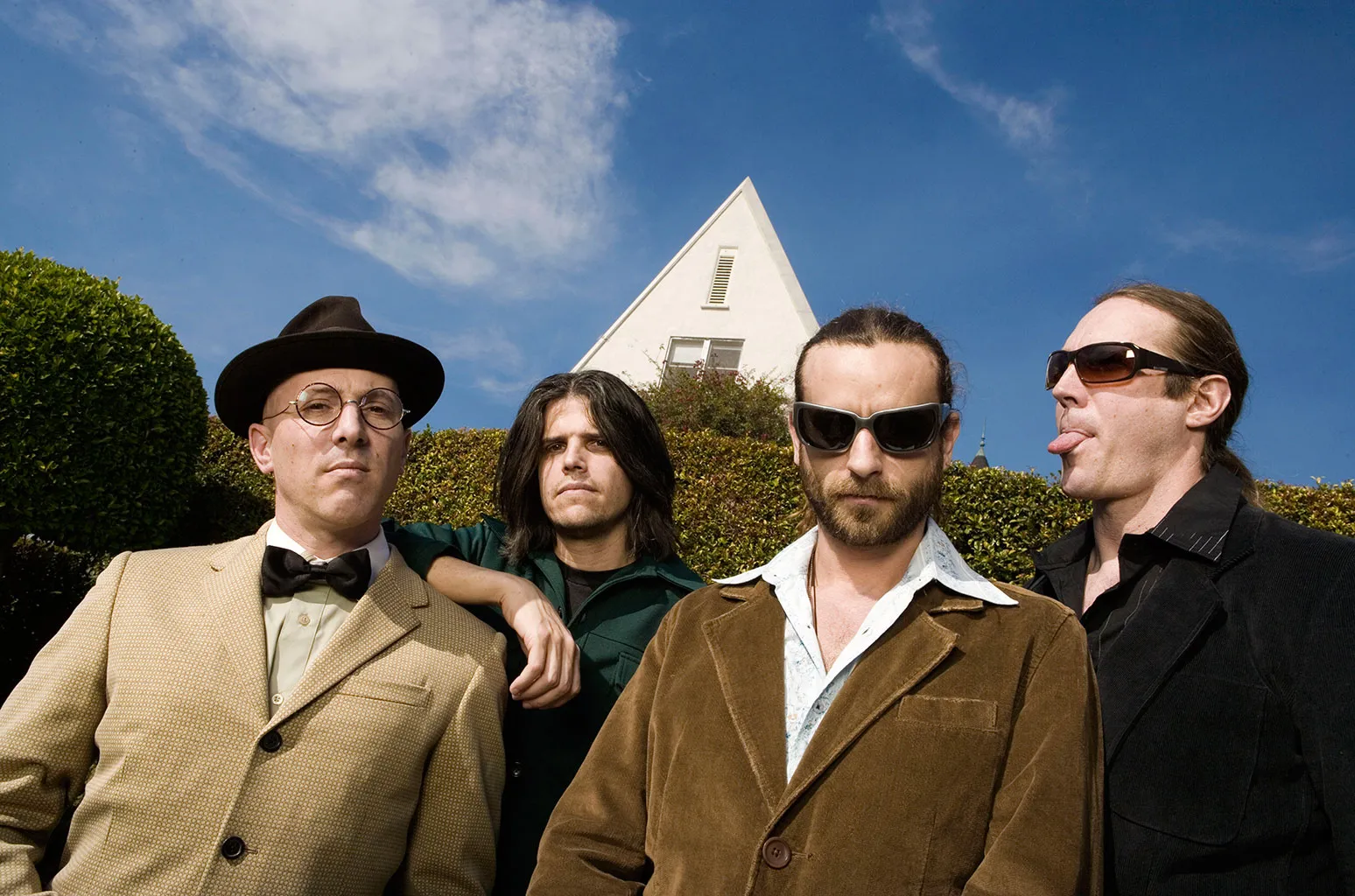
Tool band photo
Founded1990 Los Angeles
Studio Albums5
Grammy Awards3
Best AlbumLateralus 2001
Start WithAenima 1996

Who Are Tool?

Tool are a progressive metal band from Los Angeles, California, formed in 1990. They are one of the most critically acclaimed and most commercially successful heavy bands in the world, having sold over 15 million albums while maintaining a commitment to musical and intellectual complexity that most mainstream acts abandon at the first sign of commercial pressure. Their catalogue of five studio albums across nearly thirty years spans some of the most formally ambitious and emotionally demanding music ever produced within a rock context.

The band's identity is built on deliberate mystery — they gave very few interviews during the peak years, maintained no social media presence for most of their career, declined to license music for advertising or film, and stayed off major streaming platforms until 2019. This deliberate absence from the media ecosystem that sustains most rock acts made them more compelling rather than less, and their fanbase — intensely devoted and unusually well-informed about music theory, psychology and esoteric philosophy — reflects the specific quality of attention the music demands and rewards.

Maynard James Keenan's voice is the most immediately recognisable element — a tenor of extraordinary range and emotional precision, capable of whispered intimacy and full-throated fury within the same song, shaped by formal training and an intuitive understanding of how vocal placement interacts with dense musical arrangements. Adam Jones's guitar work is more sculptural than most metal guitar — less interested in demonstration than in the specific sonic environment each song requires. Danny Carey's drumming is genuinely singular: technically one of the most accomplished drummers in any genre, his use of polyrhythm, odd time signatures and mathematic compositional principles gives the arrangements a rhythmic complexity that rewards repeated listening.

◈ New to Tool?

Start with Aenima (1996) — the most varied and most accessible entry point. Then Lateralus (2001) for the creative summit. Undertow (1993) for the heavier, rawer early sound.

Members

MJK
Maynard James Keenan
Vocals
Born 17 April 1964, Ravenna, Ohio. Vocalist across all five Tool albums. Also vocalist of A Perfect Circle and Puscifer. Winery owner (Merkin Vineyards and Caduceus Cellars, Arizona). Trained vocalist. Known for performing in darkness at the back of the stage, resisting the conventional frontman role. One of the most distinctive voices in rock.
AJ
Adam Jones
Guitar
Born 14 January 1965, Park Ridge, Illinois. Lead guitarist and primary visual artist — responsible for Tool's music videos, album art direction and stage design. His guitar tone is one of the most distinctive in progressive metal. Formally trained in special effects and sculpture, which informs the visual dimension of Tool's identity.
DC
Danny Carey
Drums
Born 10 May 1961, Paola, Kansas. Widely regarded as one of the greatest drummers in rock history — his use of polyrhythm, odd time signatures and mathematically complex compositional principles is genuinely unprecedented in the genre. Formally trained in jazz and influenced by the theoretical work of John Bonham, Stewart Copeland and Billy Cobham.
JC
Justin Chancellor
Bass
Born 19 January 1971, London, England. Bassist since 1995, replacing Paul D'Amour. Present on Aenima, Lateralus, 10,000 Days and Fear Inoculum. His bass lines are often melodic rather than purely supportive — a second harmonic voice in the arrangements rather than a rhythm foundation alone.

Band History

1990
Tool form in Los Angeles — Maynard James Keenan, Adam Jones, Danny Carey and Paul D'Amour (bass). The band develops a following in the LA rock scene with a sound that is heavier and more musically complex than the surrounding alternative rock context. Their early shows generate significant word of mouth.
1992
Opiate EP released on Zoo Entertainment — six tracks introducing the Tool sound to a wider audience. Contains Sweat and a studio version of Hush. The EP sells well beyond expectations for a debut release and establishes the band's commercial potential without compromising the musical approach.
1993
Undertow released — the debut album, certified platinum in the US. Contains Sober, Prison Sex and Intolerance. Heavier and more direct than the subsequent albums, with a production rawness that distinguishes it from the increasingly elaborate later records. Sober becomes the band's first major single.
1995
Paul D'Amour departs and is replaced by Justin Chancellor, whose melodic approach to bass playing will significantly shape the sound of the subsequent albums. The lineup that records Aenima and every subsequent album is now complete.
1996
Aenima released — the breakthrough and the most varied Tool album. Debuting at number two on the Billboard 200, it contains Stinkfist, Forty Six & 2, H. and the title track. Wins the Grammy Award for Best Metal Performance. The album demonstrates the full range of the Tool approach — from heavy, direct tracks to extended atmospheric pieces.
1997–2000
A lengthy legal dispute with their record label (Zoo Entertainment, later absorbed by BMG) prevents Tool from releasing new material. The band remains active through touring and the Salival live collection (2000), but the enforced hiatus creates a four-year gap between studio albums.
2001
Lateralus released — the creative masterwork. Debuting at number one on the Billboard 200, the album's incorporation of Fibonacci sequence mathematics into its song structures, time signatures and lyrical composition represents the fullest realisation of Tool's intellectual and musical ambitions. Contains Schism, Parabola and the title track. Wins the Grammy for Best Metal Performance.
2006
10,000 Days released — another number one debut, this time with packaging featuring stereoscopic lenses for viewing the visual artwork. Contains Vicarious, The Pot and the two-part title suite dedicated to Keenan's mother. Wins the Grammy for Best Recording Package.
2019
Tool's catalogue finally arrives on streaming platforms — the delay attributed to various rights and philosophical disputes. The streaming release brings the back catalogue to an entirely new generation of listeners and generates enormous streaming numbers for music that is frequently over ten minutes long.
2019
Fear Inoculum released — the first new studio album in thirteen years. The title track is over ten minutes long and was released as the lead single — an extreme creative choice that immediately distinguishes the album from any attempt to court mainstream accessibility. The album debuted at number one on the Billboard 200, making Tool the only band to debut five consecutive studio albums at number one.

Discography

1992
Opiate
Debut EP. Contains Hush and Sweat. Essential for completists — the earliest Tool sound in its most raw form.
EP
1993
Undertow
Debut album. Contains Sober, Prison Sex, Intolerance. The heaviest and most direct Tool record. Certified platinum.
Great
1996
Aenima
The breakthrough. Contains Stinkfist, Forty Six & 2, H., Aenema. Grammy winner. Most varied and most accessible entry point.
Essential
2001
Lateralus
The masterpiece. Contains Schism, Parabola, Lateralus. Fibonacci mathematics in the structure. Grammy winner. Start here after Aenima.
Essential
2006
10,000 Days
Contains Vicarious, The Pot, 10,000 Days (Wings Pt 2). Grammy-winning packaging. Dedicated to Keenan's mother. Essential third album.
Essential
2019
Fear Inoculum
13 years in the making. Title track over 10 minutes long as lead single. Debuted at number one. More atmospheric and patient than preceding albums.
Great

The Tool Sound

Tool's sound is defined by the specific relationship between its four components in a way that few bands achieve — each instrument is doing something compositionally significant simultaneously, and the removal of any one element would fundamentally change the character of the others. Danny Carey's polyrhythmic drumming is not simply keeping time but creating a rhythmic architecture within which Keenan's vocal and Jones's guitar operate as equal melodic voices. Justin Chancellor's bass is not following the guitar but providing a third harmonic perspective that makes the chord progressions more complex than the guitar alone would suggest.

The use of odd time signatures — 5/4, 7/8, 11/8 and compound signatures — throughout the catalogue is not technical demonstration but a compositional choice that creates a specific quality of rhythmic unease that more conventional signatures cannot produce. Schism changes time signature over forty times. Lateralus structures its syllable count on the Fibonacci sequence. These are not gimmicks but structural decisions that give the music its particular character.

Progressive Metal Alternative Metal Art Rock Math Rock Influences Psychedelic

See Also