← Back to The Who
Ranked Songs · The Who · Hard Rock / Mod / Rock Opera · London, England

The Who Best Songs Ranked — The Definitive Guide

From a stuttered youth anthem in 1965 to eight and a half minutes of synthesiser, fury, and one of rock's most famous screams, The Who built a catalogue of extraordinary breadth and ambition. These are the 10 essential tracks.

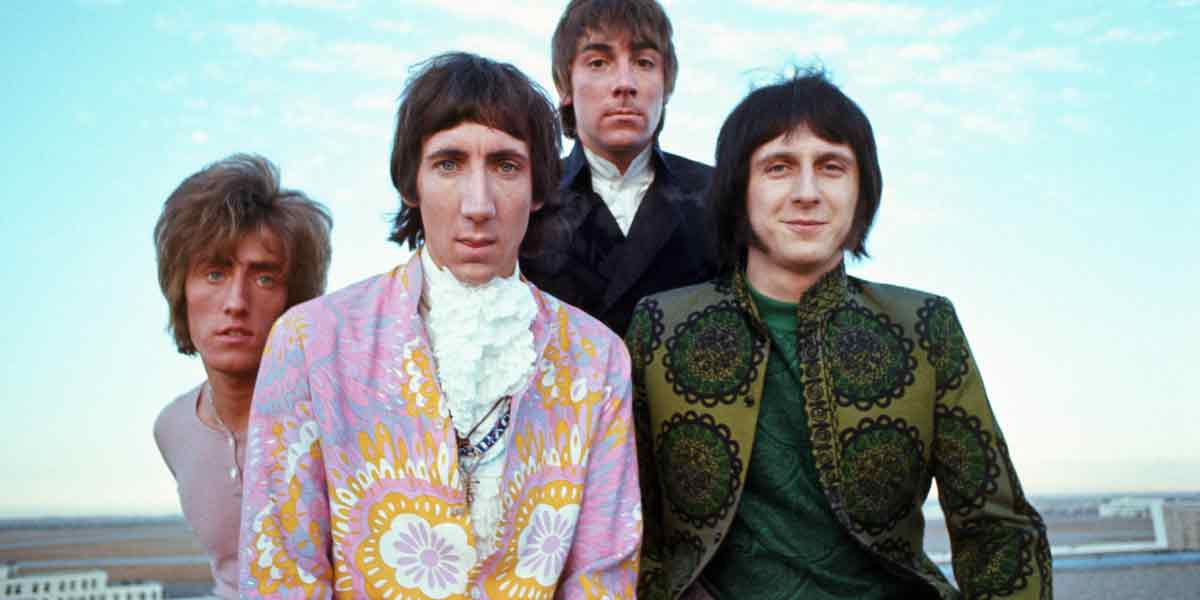
The Who performing live
Jump to Song

What Makes a Great Who Song?

A great Who song is built on productive tension — between Townshend's compositional ambition and the band's raw live energy, between Moon's chaos and Entwistle's anchor, between Daltrey's physical directness and Townshend's cerebral complexity. The best tracks don't resolve that tension; they make it the point. "Won't Get Fooled Again" is eight and a half minutes long because the idea it's working through requires eight and a half minutes. "My Generation" is three minutes long because the rage in it has no patience for anything more.

The band formed in London in 1964 and by 1971 had produced three of the most ambitious rock albums ever recorded. These ten tracks span that full catalogue — from the Mod years through the rock opera era and into the synthesiser-driven peak of Who's Next.

Top 10 Who Songs Ranked

01

Won't Get Fooled Again

Album: Who's Next · 1971
Who's Next

Won't Get Fooled Again is the most complete and powerful song in The Who catalogue — eight and a half minutes that move through a synthesiser introduction, one of Townshend's most driving guitar performances, and a political lyric about the cyclical nature of revolution, before arriving at the moment where the synthesiser drops out and Roger Daltrey delivers what is routinely described as the greatest scream in rock history. It is a song that understands exactly what it is doing at every moment, and every moment is correct.

Song Context

The lyric addresses the disillusionment following the counterculture revolution of the 1960s — specifically the way revolutionary movements tend to replicate the structures they replace. "Meet the new boss, same as the old boss" has entered the language as a standalone aphorism. Townshend has said the song was not cynical about revolution but realistic about its outcomes.

Why #1: the most complete Who song — eight and a half minutes, the greatest scream in rock, and a lyric that has entered the language.
02

Baba O'Riley

Album: Who's Next · 1971
Who's Next

Baba O'Riley opens Who's Next with one of the most immediately recognisable synthesiser figures in rock — a repeating pattern that builds for nearly a full minute before the band enter. Widely and persistently misidentified as "Teenage Wasteland" (a phrase from the lyrics that was never the song's title), it is The Who's most recognisable track to casual listeners and one of the most effective album openers in rock history. The fiddle breakdown in the final section is pure, joyful abandon — an unexpected moment of folk energy at the end of a synth-rock track that shouldn't work and absolutely does.

Why #2: the most iconic Who opening — the synth figure is one of rock's most recognisable, and the album opener remains flawless over fifty years later.
03

My Generation

Single / Album: My Generation · 1965
My Generation

My Generation is the most historically significant song in The Who catalogue — a three-minute articulation of generational rage that arrived in 1965 and immediately became an anthem. The stuttered vocal, the Entwistle bass solo (one of the first prominent bass solos in rock), the escalating tempo, and the barely-contained aggression of the performance all served a lyric whose central line — "I hope I die before I get old" — has been debated and discussed for sixty years. It defined a band, defined a youth movement, and remains one of the five most important rock singles ever released.

Song Context

The stuttered vocal was a deliberate choice — Townshend has cited several possible explanations, including mimicking a speed-influenced speech pattern common in Mod culture. John Entwistle's bass solo was unprecedented for a rock single in 1965 and is cited as one of the founding moments of prominent bass playing in the genre.

Why #3: the most historically significant Who track — a 1965 single that defined youth culture, introduced the bass solo to rock, and has never stopped being relevant.
04

Behind Blue Eyes

Album: Who's Next · 1971
Who's Next

Behind Blue Eyes is the most emotionally nuanced song in The Who catalogue — a piece that begins as a spare, confessional ballad and builds to a full-band eruption before returning to the quiet of the opening. Daltrey's vocal is more restrained and plaintive than almost anywhere else in the catalogue, and the contrast between the soft verse and the hard chorus is one of rock's most effective structural moves. Originally written for the Lifehouse project as a song for a villain character, it works entirely independently of that context as one of the genre's finest introspective rock songs.

Why #4: the most emotionally nuanced Who song — the quiet-loud dynamic is rock's most effective, and Daltrey's vocal is his most restrained and affecting.
05

Pinball Wizard

Album: Tommy · 1969
Tommy

Pinball Wizard is the best-known song from Tommy and the most purely enjoyable track in The Who catalogue — a propulsive, acoustic-guitar-driven single that introduces one of rock's most unlikely protagonists (a "deaf, dumb and blind boy" who is inexplicably the world's greatest pinball player) with irresistible energy and wit. Townshend wrote it after a music critic told him the album needed a song about pinball. The acoustic guitar strumming pattern that opens it is one of the most imitated in rock, and the song has been performed in every conceivable context since 1969 without losing any of its momentum.

Why #5: the most purely enjoyable Who song — the Tommy single that proves the rock opera concept could also just be tremendous fun.
06

Love Reign O'er Me

Album: Quadrophenia · 1973
Quadrophenia

Love Reign O'er Me closes Quadrophenia and is the most emotionally devastating song in The Who catalogue. It arrives after nearly ninety minutes of music following Jimmy, a young Mod whose life is falling apart, and provides a resolution that is neither triumphant nor completely despairing — just rain, and a voice breaking open in a way Daltrey rarely allowed. His performance here is by most assessments the finest vocal of his career. The piano and synthesiser that open it, and the way the full band arrives, make it one of the great album-closing tracks in rock.

Why #6: the most emotionally devastating Who track — Daltrey's finest vocal performance and one of the great album closers in rock history.
07

The Real Me

Album: Quadrophenia · 1973
Quadrophenia

The Real Me opens Quadrophenia and is the definitive John Entwistle showcase in The Who catalogue — a track built almost entirely around his bass, which functions as the lead melodic voice while Moon's drumming operates at a barely controlled intensity around it. The bass line in the opening bars is one of the most famous in rock and is the clearest single demonstration of why Entwistle is cited as one of the instrument's most influential practitioners. Daltrey's vocal is urgent and disoriented, perfectly embodying the character of Jimmy at the start of his story.

Why #7: the definitive Entwistle showcase — the opening bass line is one of rock's most famous and the clearest demonstration of his irreplaceable role.
08

Substitute

Single · 1966
Single

Substitute is the best Who single from the Mod years and the track that best demonstrates the band's 1966 creative peak — before the rock opera ambitions arrived and while the energy of the live Marquee Club performances was still at its most concentrated. The lyric is one of Townshend's wittiest — a series of identity inversions delivered at pace — and the performance is as tight and forceful as anything the band recorded in the studio. It never became as famous as "My Generation" or the Who's Next tracks but belongs alongside them.

Why #8: the best Mod-era Who single beyond My Generation — tight, witty, and as concentrated as the band ever got in three minutes.
09

The Song Is Over

Album: Who's Next · 1971
Who's Next

The Song Is Over is the most underrated track on Who's Next and one of the best deep cuts in The Who catalogue — a song that moves between Townshend and Daltrey trading verses and choruses, the former reflective and almost delicate, the latter arriving with the band in full flight behind him. It demonstrates the range of Who's Next beyond its three famous singles: softer, more internal, but no less accomplished. Listeners who have only heard the album's best-known tracks consistently find this one on deeper listens.

Why #9: the most underrated Who's Next track — the deep cut that rewards listeners who go beyond the three famous singles.
10

Who Are You

Album: Who Are You · 1978
Who Are You

Who Are You closes this ranking as the finest track from the band's final album with Keith Moon — released just weeks before his death in September 1978. The synthesiser-driven title track is among the most energetic things the band recorded in the later period, and Moon's drumming, while noticeably less controlled than at his peak, retains the chaotic power that makes his playing on every Who record impossible to replicate. The song became particularly well known as the theme for the original CSI: Crime Scene Investigation, introducing it to a new generation of listeners after 2000.

Why #10: the finest late-period Who track and the last great recording with Keith Moon — an essential piece of the complete catalogue.

Best Who Songs for Beginners

Won't Get Fooled AgainStart here — the most complete Who song and the greatest scream in rock.
Baba O'RileyFor the iconic opener — the synth figure every rock fan recognises.
My GenerationFor history — the 1965 single that changed what rock could say.
Pinball WizardFor fun — the Tommy single that is just relentlessly enjoyable.
Behind Blue EyesFor the ballad side — quiet-loud rock done perfectly.
Love Reign O'er MeFor emotional depth — Daltrey's finest vocal performance.

Best Who Albums to Hear Next

1971
Who's Next

The correct starting album. Contains Won't Get Fooled Again, Baba O'Riley, Behind Blue Eyes, and The Song Is Over. One of the five greatest rock albums ever made.

1973
Quadrophenia

Contains Love Reign O'er Me and The Real Me. Townshend's most personal and ambitious work — a double album that demands your full attention and repays it entirely.

1970
Live at Leeds

The essential introduction to The Who's extraordinary live power. One of the greatest live albums in any genre.

The Who Songs: FAQ

What is The Who's best song?
Won't Get Fooled Again — eight and a half minutes from Who's Next containing Daltrey's most famous scream and one of the great political rock lyrics. Baba O'Riley is the most immediately iconic. My Generation is the most historically significant.
Is Baba O'Riley called Teenage Wasteland?
No — "Teenage Wasteland" is a phrase from the lyric, but the song's title has always been "Baba O'Riley." The name combines two of Townshend's spiritual influences: Meher Baba, the Indian spiritual master who the band followed, and Terry Riley, the minimalist composer whose looping synthesiser techniques influenced the track's opening pattern. The misidentification has persisted for decades and is among the most common song title errors in rock.
What is the best Who album to start with?
Who's Next (1971) — one of the five greatest rock albums ever made. Quadrophenia (1973) is the essential second listen. Live at Leeds (1970) is the correct introduction to the band's extraordinary live power.
Why is The Real Me considered a bass classic?
John Entwistle's bass on The Real Me functions as the song's lead melodic voice — rather than providing rhythmic support beneath the guitars, it carries the primary melodic interest while Moon's drumming operates around it. The opening bass figure in the first few bars is one of the most famous and most studied bass lines in rock history, and the track as a whole is a demonstration of why Entwistle's approach to the instrument was categorically different from most of his contemporaries.
What is Quadrophenia about?
Quadrophenia (1973) is a double concept album set in 1965 London, following a young Mod named Jimmy whose personality is described as having four distinct aspects — one corresponding to each band member. The album explores youth identity, disillusionment, and the search for meaning through Jimmy's experiences with the Mod subculture, a bank holiday weekend in Brighton, and an eventual crisis of faith in everything he had believed in. It was adapted into a film in 1979.

Explore More