The VerveBand Guide
Formed 1990 · Wigan, England · Alternative Rock / Psychedelic / Britpop
The Verve are one of the most compelling and most tragic stories in British rock. A band from Wigan who began as a sprawling, psychedelic space rock act in the early 1990s, fractured twice through internal tensions, and produced one of the decade's most celebrated albums — Urban Hymns — only to dissolve again within a year of its release. Richard Ashcroft's voice, Nick McCabe's guitar, and a collective gift for the kind of melody that sounds like it has always existed gave them a claim on greatness that the brevity of their productive periods does nothing to diminish. "Bitter Sweet Symphony" is one of the most famous British rock songs ever recorded, despite its creator having received none of the royalties from it for two decades. This is the complete guide.
Who Are The Verve?
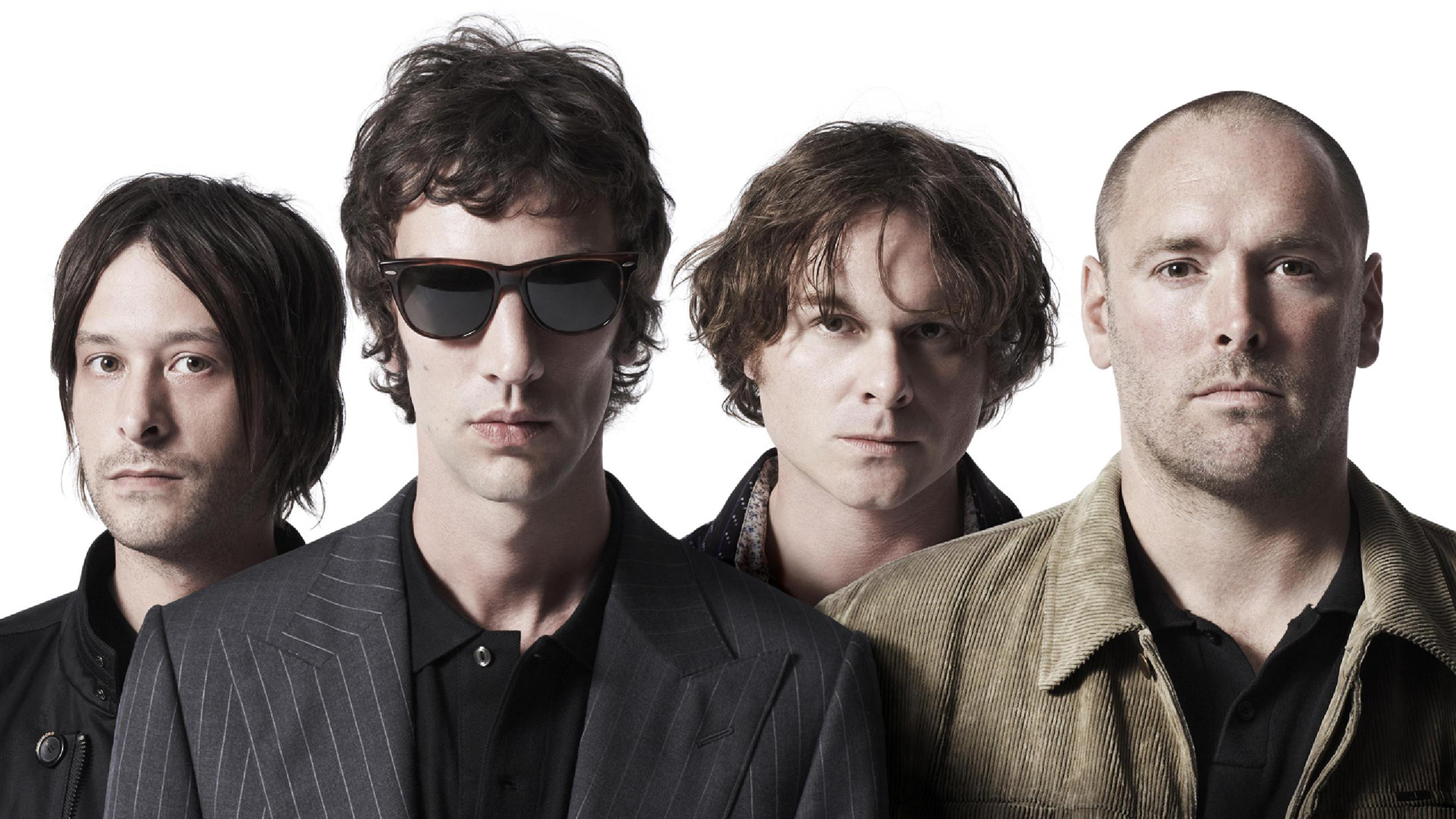
The Verve are a British rock band formed in Wigan, Lancashire in 1990. The core lineup — vocalist and guitarist Richard Ashcroft, guitarist Nick McCabe, bassist Simon Jones, and drummer Peter Salisbury — met at school in Wigan and signed to Hut Records in 1991. Their early sound was expansive and psychedelic, indebted to The Stone Roses and My Bloody Valentine but with a cinematic ambition that set them apart — long, drone-heavy instrumentals, Ashcroft's charismatic, preacher-like delivery, and McCabe's guitar work, which could shift from delicate arpeggios to walls of noise within a single track.
They disbanded for the first time in 1995 amid tensions, most significantly between Ashcroft and McCabe, before reuniting in 1996 and recording Urban Hymns — their third album and commercial breakthrough. Released in September 1997, it spent 10 weeks at number one in the UK, produced three top-five singles, and has sold over 10 million copies worldwide. "Bitter Sweet Symphony," "The Drugs Don't Work," and "Lucky Man" gave them a claim on the era's soundtrack that only Radiohead's OK Computer, released the same year, could rival.
"Bitter Sweet Symphony" samples an orchestral version of the Rolling Stones' "The Last Time," arranged by Andrew Loog Oldham. The band had negotiated a sample clearance with ABKCO, the US publisher of the Stones' catalogue. However, after the single's release and commercial success, ABKCO sued, claiming the sample used more of the original than had been agreed. The Verve were required to surrender all royalties from the song to ABKCO, and Mick Jagger and Keith Richards were added as songwriting credits.
The dispute left Ashcroft without any share of royalties from the band's biggest hit for over two decades — a situation widely cited as one of the most egregious outcomes in the history of music publishing law. In 2019, Jagger and Richards returned the songwriting credit to Ashcroft, describing the original legal outcome as unfair. The financial arrangements were not publicly detailed.
Start with "Bitter Sweet Symphony" — the most famous and immediately accessible track. Then Urban Hymns (1997) as a full album — one of the best British rock albums of the 1990s and the correct first full-album listen. A Storm in Heaven (1993) is the essential second listen for the earlier, more psychedelic sound.
Band Members
Band History
Discography
The Verve Trivia Quiz
Five questions — how many can you get right?
Best Songs by Mood
Not sure where to begin? Use this as your entry point.