← Back to Bands
Band Guide · Porcupine Tree · Progressive Rock / Metal · England

Porcupine TreeBand Guide

Formed 1987 · Hemel Hempstead, England · Progressive Rock / Progressive Metal / Art Rock

Porcupine Tree are the most important progressive rock band to emerge since the genre's 1970s golden era — a project that began as Steven Wilson's fictional band, became a real group, and produced a run of albums from In Absentia (2002) through Fear of a Blank Planet (2007) that stand alongside the greatest progressive rock records of any decade. Wilson's combination of meticulous sonic craftsmanship, heavy guitar, ambient texture, and lyrical engagement with themes of alienation and disengagement gave the band a sound that was simultaneously accessible and uncompromising. After a decade-long hiatus, they returned with Closure/Continuation in 2022. This is the complete guide.
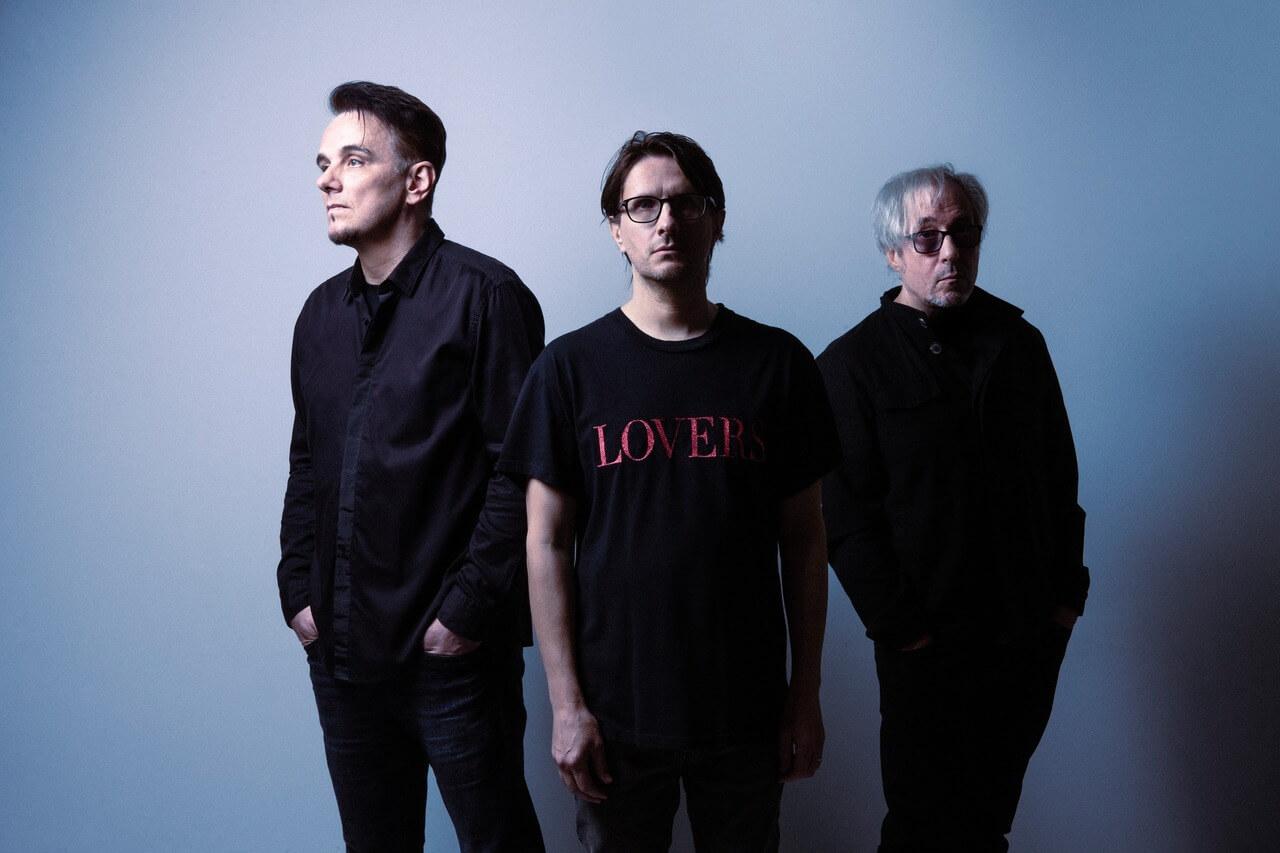
Porcupine Tree band photo
Formed1987Hemel Hempstead, England
Studio Albums12
Active1987–20102022–present
Best AlbumFear of a Blank Planet2007
Start WithTrains

Who Are Porcupine Tree?

Porcupine Tree are a British progressive rock band that began in 1987 as a fictional band invented by Steven Wilson as a private joke, before evolving into a genuine recording project in the early 1990s. The classic four-piece lineup that produced the band's most celebrated albums — Wilson (vocals, guitar, keyboards), Richard Barbieri (keyboards, synthesisers), Colin Edwin (bass), and Gavin Harrison (drums) — came together across the mid-to-late 1990s and recorded together until an indefinite hiatus in 2010.

Wilson is the band's primary songwriter, vocalist, and creative director. His approach to songwriting combines the structural ambition of classic progressive rock — long-form compositions, complex arrangements, thematic albums — with an openness to metal, ambient music, pop melody, and post-rock that prevents the sound from becoming purely nostalgic. The result is music that references the 1970s progressive tradition without being limited by it, and that found a significant audience among listeners who came to the band through hard rock and metal as well as those with a background in art rock.

Fear of a Blank Planet & the Digital Alienation Theme

Fear of a Blank Planet (2007) is widely regarded as Porcupine Tree's masterpiece and the band's most conceptually coherent album. Conceived as a meditation on youth in the digital age — the disconnection, passivity, and emotional numbing associated with screen dependency and information overload — the album was written partly in response to Wilson's reading of Bret Easton Ellis's Lunar Park. The lyric of the title track, which opens the album, describes a teenager so disengaged from physical reality that he can barely feel anything; the subsequent tracks explore the family and social consequences of that disengagement.

The album arrived before the social media era that would make its themes even more prescient, and it has aged remarkably well as both a piece of social observation and a progressive rock record. "Anesthetize," the album's centrepiece at seventeen minutes, is one of the defining long-form progressive metal compositions of the 21st century.

New to Porcupine Tree?

Start with "Trains" — the most immediately accessible and widely beloved track in the catalogue, from In Absentia (2002). Then the full In Absentia album, then Fear of a Blank Planet (2007) — the masterpiece. Deadwing (2005) is the best third listen.

Members

SW
Steven Wilson
Vocals · Guitar · Keys · 1987–present
The founder, primary songwriter, vocalist, and creative director of Porcupine Tree. Wilson's meticulous approach to production — he has remixed and remastered records for King Crimson, Yes, Jethro Tull, and many other classic progressive bands — informs the sonic quality of every Porcupine Tree record. His melodic instinct sits within a broader framework of progressive ambition that gives the best tracks genuine emotional depth alongside their technical complexity. He has maintained a significant solo career running alongside the band throughout its history.
RB
Richard Barbieri
Keyboards · Synthesisers · 1993–present
Formerly of Japan — one of the most celebrated British art pop bands of the early 1980s — Barbieri brings a textural and atmospheric keyboard approach to Porcupine Tree that contributes significantly to the band's characteristic sonic environment. His synthesiser work creates the spaces within which the heavier guitar material operates, giving the albums a dimensional quality that distinguishes them from straightforward progressive metal.
CE
Colin Edwin
Bass · 1993–present
The band's bassist from 1993, Edwin's fluid, melodic approach to the instrument gives the arrangements their low-end intelligence. His bass playing is not merely supportive but contributes active melodic content to the compositions — audible and intentional in the mix in a way that reflects Wilson's production values and the band's general commitment to musical density across all registers.
GH
Gavin Harrison
Drums · 2002–present
Joined for In Absentia (2002) and has been a defining element of the band's sound ever since. Harrison is one of the most technically accomplished drummers in modern progressive rock and metal — his polyrhythmic complexity and ability to maintain groove within extremely complex metric structures make him the rhythmic foundation for music that demands as much from its drummer as from any other instrument. Later also joined King Crimson.

Band History

1987
Steven Wilson creates Porcupine Tree as a fictional band — a private joke involving fabricated reviews and a fictional discography. The project begins to produce actual recordings, with Wilson performing all instruments himself.
1991
Voyage 34 released — the first widely distributed Porcupine Tree recording, a lengthy psychedelic piece influenced by early Pink Floyd. The release begins to establish the band's reputation within the progressive rock underground.
1992–1996
A series of increasingly accomplished albums released through Delerium Records: The Sky Moves Sideways, Signify, and others establish the band as significant figures in the progressive rock revival. Richard Barbieri and Colin Edwin join, transforming Porcupine Tree from a solo project into a proper band.
1999
Stupid Dream and Lightbulb Sun released — the first two albums with what would become the classic lineup beginning to solidify, moving toward a more song-based, melodically accessible approach while retaining the progressive ambition of the earlier records.
2002
In Absentia released on Lava/Atlantic — the commercial breakthrough and the album most new listeners discover first. Gavin Harrison joins as drummer. "Trains," "Blackest Eyes," and "The Sound of Muzak" bring the band to a significantly wider audience. The album blends progressive rock with metal in a way that proved commercially and critically successful.
2005
Deadwing released — originally conceived as a soundtrack to a film of the same name written by Wilson. The album continues the more metal-influenced direction of In Absentia while introducing more varied tempo and mood, and contains "Arriving Somewhere but Not Here" — one of the definitive long-form progressive metal tracks.
2007
Fear of a Blank Planet released — widely regarded as the band's masterpiece. The concept album about digital alienation and youth disengagement contains "Anesthetize" (17 minutes) and represents the peak of the band's progressive ambition. Wilson wins a Grammy nomination for the production mix.
2009
The Incident released — a double album conceived as two continuous pieces. An ambitious final statement of the band's original run, though Wilson acknowledges it as less focused than the preceding masterpiece trilogy.
2010
The band go on indefinite hiatus. Wilson pursues his solo career, which has produced several highly regarded albums. Gavin Harrison joins King Crimson.
2022
Closure/Continuation released — the band's first new album in twelve years. The return is met with significant critical and fan enthusiasm, and the album demonstrates that the creative chemistry of the classic lineup remains intact.

Discography

2007
Fear of a Blank Planet
Fear of a Blank Planet, Anesthetize, Way Out of Here, Sleep Together. The masterpiece. Conceptually the most focused and sonically the most ambitious record they made.
Essential
2002
In Absentia
Trains, Blackest Eyes, The Sound of Muzak, Heartattack in a Layby. The accessible breakthrough. Start here.
Essential
2005
Deadwing
Arriving Somewhere but Not Here, Deadwing, Shallow. The transitional album between the breakthrough and the masterpiece — equally essential.
Essential
2009
The Incident
The Incident, Drawing the Line, Occam's Razor. The ambitious final statement — a double album in two continuous pieces.
Great
2022
Closure/Continuation
Harridan, Rats Return, Dignity. The 12-year-later return — creative chemistry intact, a strong addition to the catalogue.
Great
1996
Signify
Signify, Waiting Phase One, Every Home Is Wired. The best of the early albums — the clearest preview of the classic-era sound.
Great

Porcupine Tree Trivia Quiz

Five questions — how many can you get right?

Best Songs by Mood

Not sure where to begin? Use this as your entry point.

First song ever
Trains
Most epic
Anesthetize
Most emotional
Heartattack in a Layby
Most progressive
Arriving Somewhere but Not Here
Most heavy
Blackest Eyes
Most atmospheric
Fear of a Blank Planet
Most immediate
The Sound of Muzak
Best deep cut
Hatesong

Porcupine Tree FAQ

When did Porcupine Tree form?
Porcupine Tree began in 1987 as a fictional band invented by Steven Wilson — a private joke involving fabricated reviews and a made-up discography. It became a genuine recording project in the early 1990s, initially with Wilson performing all instruments, before evolving into a full band. The classic four-piece lineup of Wilson, Richard Barbieri, Colin Edwin, and Gavin Harrison produced the band's most celebrated albums.
What is Fear of a Blank Planet about?
Fear of a Blank Planet (2007) is a concept album about digital alienation and youth disengagement — the emotional numbing, passivity, and disconnection from physical reality associated with screen dependency and information overload. Wilson has said it was written partly in response to his reading of Bret Easton Ellis's Lunar Park. The title track describes a teenager so disengaged from reality that he can barely feel anything; the album's subsequent tracks explore the family and social context of that disengagement.
What is the best Porcupine Tree album to start with?
In Absentia (2002) is the most accessible starting point and the album most new listeners discover first — it contains "Trains" and the band's most immediately accessible material. Fear of a Blank Planet (2007) is the masterpiece and the album most consistently regarded as the best in the catalogue. Deadwing (2005) is the best third listen.
How long is Anesthetize?
"Anesthetize" from Fear of a Blank Planet is approximately seventeen minutes and forty-two seconds long, divided into three named parts: "Anesthetize," "Strips of Light," and "Arriving Somewhere but Not Here" (distinct from the Deadwing track of similar name). It is the centrepiece of the album and one of the definitive long-form progressive metal compositions of the 21st century.
Is Richard Barbieri from Japan?
Yes — Richard Barbieri was the keyboardist for Japan, the highly regarded British art pop and new wave band active from 1974 to 1982. Japan are known for albums including Gentlemen Take Polaroids and Tin Drum, and for the influence of their singer David Sylvian on 1980s British art pop. Barbieri joined Porcupine Tree in 1993 and has been a member since.
Why did Porcupine Tree go on hiatus?
Porcupine Tree went on indefinite hiatus in 2010, with Wilson pursuing his solo career. He has never given a definitive explanation of the hiatus, but it appears to reflect both his desire to explore different creative directions as a solo artist and a natural pause after an intensive period of recording and touring. The band returned with Closure/Continuation in 2022 — their first new album in twelve years.

See Also