← Back to Mötley Crüe
Ranked Songs · Mötley Crüe · Glam Metal / Hard Rock · Los Angeles, California

Mötley Crüe Best Songs Ranked — The Definitive Guide

From self-released Sunset Strip anthems to a number one album produced in sobriety, Mötley Crüe built a catalogue defined by excess, melody, and improbable longevity. These are the 10 essential tracks.

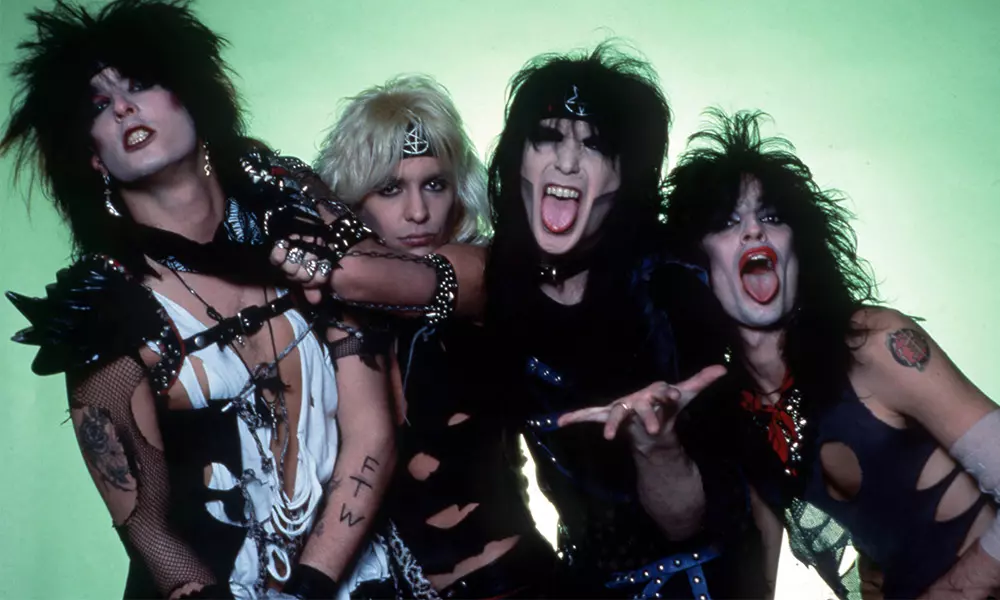
Mötley Crüe performing live
Jump to Song

What Makes a Great Mötley Crüe Song?

A great Mötley Crüe song balances heavy, distorted riffing with an instinct for melody that most of their Sunset Strip contemporaries couldn't match. The best tracks treat Nikki Sixx's often autobiographical songwriting as the foundation — visceral subject matter given commercial shape by a band who, at their peak, understood exactly how to make a riff stick. Mick Mars' guitar work provides a darker undercurrent than the band's reputation usually credits.

The band formed in Los Angeles in 1981 and broke through with Shout at the Devil (1983), before reaching their commercial peak with Dr. Feelgood (1989), produced by Bob Rock. These ten tracks span that run, from the Sunset Strip debut years to the polished, number one album they recorded in sobriety.

Top 10 Mötley Crüe Songs Ranked

01

Kickstart My Heart

Album: Dr. Feelgood · 1989
Dr. Feelgood

Kickstart My Heart is Mötley Crüe's most famous and most high-energy anthem — the song most synonymous with their identity and still their most reliable concert moment. Tommy Lee's opening drum fill is as recognisable as a siren. The song operates at a pace that never lets up, with Bob Rock's production giving it enough low-end weight to still sound ferocious through modern speakers.

Song Meaning

Nikki Sixx wrote Kickstart My Heart about his heroin overdose on December 23, 1986, during which he was reportedly clinically dead for approximately two minutes before being revived by paramedics. The song's urgency is a direct reflection of that near-death experience.

Why #1: the band's most famous and high-energy anthem — remains their definitive track and the song most synonymous with their identity.
02

Home Sweet Home

Album: Theatre of Pain · 1985
Theatre of Pain

Home Sweet Home is the definitive Mötley Crüe power ballad — a piano-led reflection on homesickness and road exhaustion that became one of the most-requested videos in MTV history, prompting the channel to change its policy on running the same video multiple times per day. The sentimentality is genuine rather than manufactured, and Vince Neil's final chorus remains one of his most vulnerable performances on record.

Why #2: the definitive Mötley Crüe ballad — prompted MTV to change their repeat-play policy and remains the benchmark for the format.
03

Dr. Feelgood

Album: Dr. Feelgood · 1989
Dr. Feelgood

Dr. Feelgood is the strongest title track in the Mötley Crüe catalogue — a groove-driven, swagger-heavy single built around one of Mick Mars' best riffs. Where "Kickstart My Heart" is pure speed, "Dr. Feelgood" is pure confidence. The dynamics between verse and chorus are better constructed than almost anything else in the band's output, and Mars' solo is economical in exactly the right way.

Why #3: the strongest title track in the catalogue — groove-driven swagger at the commercial peak of the band's career.
04

Girls, Girls, Girls

Album: Girls, Girls, Girls · 1987
Girls, Girls, Girls

Girls, Girls, Girls is the most unambiguous song in the Mötley Crüe catalogue — a biker-bar anthem that opens with a motorcycle engine and never lets the throttle go. The riff is deceptively simple but completely locked in the pocket, and the song peaked at number two in the US without a moment of compromise. It has never left the set list in more than three decades.

Why #4: the most unambiguous Mötley Crüe track — a number two US hit and a permanent live staple for over thirty years.
05

Wild Side

Album: Girls, Girls, Girls · 1987
Girls, Girls, Girls

Wild Side is the most musically interesting song on Girls, Girls, Girls and one of the most underrated tracks in the entire catalogue. The groove is slower and more threatening than anything around it, and Mick Mars plays with a restraint that paradoxically makes the guitar more menacing. If you want to introduce someone to the darker, more serious side of the band, this is the entry point.

Why #5: the most underrated Mötley Crüe track — darker and more musically ambitious than the surrounding singles.
06

Shout at the Devil

Album: Shout at the Devil · 1983
Shout at the Devil

Shout at the Devil is the heaviest track in the early Mötley Crüe catalogue — a title track that still sounds genuinely threatening more than forty years after its release. Before the glam-metal tag had fully stuck, the band was operating much closer to heavy metal territory, and this song sits in that harder space. Mars' riffing carries a weight that the later radio-oriented material deliberately softened.

Why #6: the heaviest early Mötley Crüe track — a reminder that there was genuine metal edge beneath the Sunset Strip glamour.
07

Too Young to Fall in Love

Album: Shout at the Devil · 1983
Shout at the Devil

Too Young to Fall in Love is the most underrated song in the Mötley Crüe catalogue — a sinister, choppy track from Shout at the Devil that moves through its verses with a cinematic confidence the band hadn't quite reached on their debut. Mars plays with a menacing economy that sets it apart from nearly everything around it. This is the track to play for anyone who dismisses the band as purely commercial.

Why #7: the most underrated early Mötley Crüe deep cut — Mick Mars at his most sinister and distinctive.
08

Without You

Album: Dr. Feelgood · 1990
Dr. Feelgood

Without You is a more sophisticated ballad than "Home Sweet Home" — a top-ten US hit that benefits from Bob Rock's cleaner production and a lyric with more emotional precision than most of the genre allowed. Vince Neil's upper register is used more deliberately here than almost anywhere else in the catalogue, and the song demonstrated that the band could write slow tracks without falling back on pure formula.

Why #8: the most sophisticated Mötley Crüe ballad — a top-ten hit that holds up better than most of its contemporaries.
09

Smokin' in the Boys Room

Album: Theatre of Pain · 1985
Theatre of Pain

Smokin' in the Boys Room is a cover of Brownsville Station's 1974 original that became Mötley Crüe's first top-20 US hit and an FM radio staple. The Crüe version is faster and harder than the source material, which suits their energy better than a faithful cover would have. It remains the moment that broke them from club-circuit cult act to genuine mainstream contenders.

Why #9: their first top-20 US hit — the cover that made Mötley Crüe a mainstream act rather than a Sunset Strip secret.
10

Don't Go Away Mad (Just Go Away)

Album: Dr. Feelgood · 1990
Dr. Feelgood

Don't Go Away Mad (Just Go Away) closes this ranking as probably the sharpest lyric Nikki Sixx ever wrote. The title does most of the work, but the verse details and the way the chorus builds to the dismissive final line make it more nuanced than the hook suggests. A different kind of Mötley Crüe song — not anthemic, not threatening, just precise and a little mean in the best possible way.

Why #10: the sharpest Nikki Sixx lyric in the catalogue — precise and a little mean in exactly the right way.

Best Mötley Crüe Songs for Beginners

Kickstart My HeartStart here — the band's most famous and defining song.
Home Sweet HomeFor the ballad side — the MTV-defining power ballad.
Girls, Girls, GirlsFor maximum sleaze — the biker-bar anthem at its most unambiguous.
Wild SideFor depth — the darker, more ambitious side of the band.
Dr. FeelgoodFor swagger — the groove-driven title track at the commercial peak.
Shout at the DevilFor the heavy early era — before the radio polish arrived.

Best Mötley Crüe Albums to Hear Next

1989
Dr. Feelgood

The correct starting album. Contains Kickstart My Heart, Without You, and Don't Go Away Mad. Number one US. The commercial and critical peak.

1983
Shout at the Devil

Contains Shout at the Devil and Too Young to Fall in Love. The heavy, rawer breakthrough that broke them nationally.

1987
Girls, Girls, Girls

Contains Girls, Girls, Girls and Wild Side. The biker-rock peak — number two US and their most sonically consistent album.

Mötley Crüe Songs: FAQ

What is Mötley Crüe's best song?
Kickstart My Heart — the band's most famous and high-energy anthem, written by Nikki Sixx about his 1986 overdose and still the song most synonymous with their identity. Home Sweet Home is the definitive power ballad. Dr. Feelgood is the strongest title track in the catalogue.
What is Kickstart My Heart about?
Nikki Sixx wrote the song about his heroin overdose on December 23, 1986, during which he was reportedly clinically dead for approximately two minutes before being revived by paramedics. The urgency of that near-death experience is audible throughout the track.
What is the best Mötley Crüe album to start with?
Dr. Feelgood (1989) — the band's number one US album and commercial peak, containing Kickstart My Heart, Without You, and Don't Go Away Mad. Shout at the Devil (1983) is the best entry point for their earlier, heavier sound.
Who wrote most of Mötley Crüe's songs?
Nikki Sixx is the band's primary songwriter and wrote or co-wrote the majority of the catalogue. Many of the most famous tracks draw directly from personal experience — "Kickstart My Heart" (the 1986 overdose), "Home Sweet Home" (life on the road) — making the songwriting more autobiographical than it might first appear.
Why is Mick Mars considered underrated?
Mick Mars' guitar work is consistently overlooked in assessments of the band, partly because the Mötley Crüe story tends to be told through the lens of excess rather than musicianship. His riffing on tracks like Wild Side, Shout at the Devil, and Too Young to Fall in Love operates in a heavier, darker space than most Sunset Strip contemporaries, providing a tension between his metal instincts and the band's pop ambitions that produced their best music.

Explore More