← Back to Bad Religion
Ranked Songs · Bad Religion · Melodic Hardcore / Punk · Los Angeles, CA

Bad Religion Best Songs Ranked — The Definitive Guide

From the album that defined modern melodic punk to a political broadside with a PhD behind it and an anthemic earworm that hit mainstream radio, Bad Religion's catalogue spans forty-plus years without losing its sense of purpose. These are the 10 essential tracks.

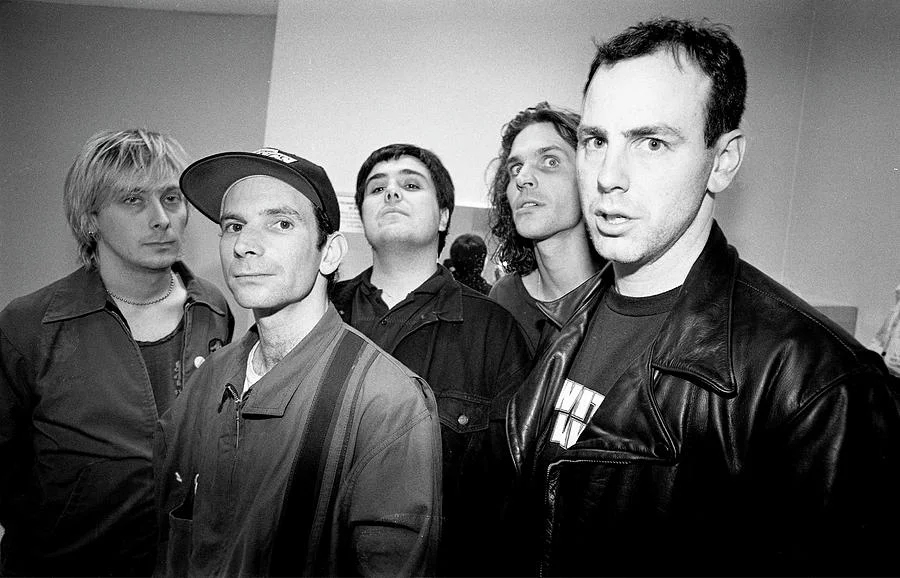
Bad Religion performing live
Jump to Song

What Makes a Great Bad Religion Song?

A great Bad Religion song achieves something that should be contradictory: it is simultaneously fast enough to be physically exciting and lyrically dense enough to reward close reading. Greg Graffin's vocabulary is genuinely unusual in rock music — "mendacity," "eschatology," "juxtaposition" appear in lyrics delivered at hardcore tempo, which creates a cognitive experience unlike anything in the genre. The melodies are strong enough to make the songs immediately enjoyable; the lyrics are substantive enough to make them interesting years later.

The dual-guitar interplay between Gurewitz and Baker, Jay Bentley's melodic bass, and the three-part vocal harmonies that have been a defining element since the debut are equally central to what makes the songs work. This ranking draws from Suffer, No Control, Against the Grain, Stranger Than Fiction, and The Process of Belief — the core of a catalogue that now spans over four decades.

Top 10 Bad Religion Songs Ranked

01

Infected

Album: Stranger Than Fiction · 1994
Stranger Than Fiction

"Infected" is the most immediately accessible Bad Religion song and the track that most new listeners encounter first. The opening guitar figure is instantly recognisable; the verse-to-chorus build is perfectly calibrated; and Graffin's lyric — about the infection of consciousness by cultural disease, rendered in characteristically dense but melodically delivered language — works on first listen without requiring the intellectual investment that the deeper catalogue demands. It received significant alternative radio play from Stranger Than Fiction and remains the band's most widely heard track. The correct first song for any new listener.

Why #1: the most accessible and widely heard Bad Religion track — the correct first listen and the song that most efficiently communicates what makes the band essential.
02

Suffer

Album: Suffer · 1988
Suffer

"Suffer" is the title track of the most important album in the Bad Religion catalogue — the 1988 record that defined modern melodic punk and established the template that an entire generation of bands would build on. The track itself is barely two minutes long, opening the album with the characteristic dual-guitar attack, three-part harmonies, and Graffin's lyric delivered at a pace that challenges the listener to keep up. As a piece of historical significance in punk, its importance is difficult to overstate. As a song in its own right, it is as immediate and propulsive as anything the band has recorded.

Album Context

Suffer (1988) is twenty-one minutes long across fifteen tracks and is the album most often cited as the template for modern melodic punk. Green Day, The Offspring, and NOFX have all cited its influence. The combination of hardcore speed, melodic guitar leads, vocal harmonies, and lyrically substantive songs was unprecedented in punk rock at the time of release.

Why #2: the title track of the most historically important Bad Religion album — the record that defined melodic punk, opening with the concentrated statement of everything that makes the band significant.
03

21st Century (Digital Boy)

Album: Stranger Than Fiction · 1994
Stranger Than Fiction

"21st Century (Digital Boy)" is the most anthemic Bad Religion song — the track most consistently performed at full volume with full audience participation. Originally recorded for Against the Grain (1990) and re-recorded for Stranger Than Fiction, the re-recording is the version most people know and the one that received the most radio play. The lyric is a remarkably prescient portrait of a technologically saturated but culturally hollow existence — written in 1990 and describing a condition that had only become more accurate by the time the re-recorded version appeared in 1994, and more accurate still since. The chorus is indelible.

Why #3: the most anthemic Bad Religion song — a 1990 lyric about technological saturation that has become more accurate with every passing decade, over the band's most indelible chorus.
04

American Jesus

Album: Recipe for Hate · 1993
Recipe for Hate

"American Jesus" is the most explicitly political Bad Religion song and the track that most directly addresses the intersection of religion and American national identity — a target that Graffin, as an atheist and academic, approaches with characteristic precision rather than simple mockery. The lyric distinguishes between the historical Jesus and the cultural construction of "American Jesus" — a figure whose image has been appropriated to serve nationalist, consumerist, and politically conservative agendas that bear little relationship to the source material. The song received substantial radio play and remains one of the most widely discussed tracks in the Bad Religion catalogue.

Why #4: the most explicitly political Bad Religion track — a precise, academically informed critique of the intersection of religion and American national identity that has grown more relevant since 1993.
05

No Control

Album: No Control · 1989
No Control

"No Control" opens the album of the same name and does for No Control what "Suffer" does for the debut — announcing the album's intent within its first thirty seconds and establishing that the band's creative peak is going to continue rather than plateau. The dual-guitar attack is at its most concentrated; Graffin's vocal is delivered with more urgency than almost anywhere else in the catalogue; and the lyric engages with themes of determinism, free will, and the limits of human agency in a way that is philosophically substantive without being academically dry. One of the essential opening tracks in punk rock.

Why #5: the essential No Control opener — does for that album what Suffer does for the debut, and contains the most philosophically engaged lyric in the peak-era catalogue.
06

Stranger Than Fiction

Album: Stranger Than Fiction · 1994
Stranger Than Fiction

"Stranger Than Fiction" is the title track of the commercial breakthrough album and the song that best represents the slightly slower, more melodically spacious approach that distinguished the 1994 record from the frantic peak-era material. The production is warmer and the arrangements more varied than the Epitaph records, which suits the song's more reflective lyric — Graffin contemplating the gap between the world as described in abstract frameworks and the world as actually experienced. The chorus is one of the strongest on the album and the song demonstrates that the commercial concessions of the Atlantic era didn't require sacrificing the intellectual content that made the band significant.

Why #6: the title track that best represents Stranger Than Fiction's slightly more spacious approach — commercial accessibility without sacrificing the intellectual content.
07

Sorrow

Album: The Process of Belief · 2002
Process of Belief

"Sorrow" is the best track from the reunion-era catalogue and the song that most convincingly demonstrated that Brett Gurewitz's return had revitalised the band creatively. The lyric is one of Graffin's most directly personal — addressing grief, loss, and the inadequacy of traditional consolations without offering false alternatives — and the melody is the most affecting the band had written since the peak-era records. It received significant attention on its release and has become one of the most cited Bad Religion songs among listeners who came to the band through the commercial-era records and then worked backward.

Why #7: the best post-reunion Bad Religion track — Graffin's most personally affecting lyric and the clearest evidence that Gurewitz's return revitalised the band.
08

Change of Ideas

Album: No Control · 1989
No Control

"Change of Ideas" is the most underrated track on No Control and the song most likely to be cited by dedicated fans as a personal favourite that casual listeners tend to skip over. The guitar interplay between Gurewitz and the rest of the band is at its most dynamic here — the two guitars running different melodic lines above the rhythm section in a way that gives the song harmonic complexity unusual even for Bad Religion. Graffin's lyric addresses intellectual evolution — the capacity and willingness to change one's ideas in response to new evidence — which connects directly to his academic interests and gives the song a thematic resonance beyond its surface energy.

Why #8: the most underrated No Control track — dynamic guitar interplay and a lyric about intellectual evolution that is among Graffin's most thematically coherent.
09

Anesthesia

Album: Against the Grain · 1990
Against the Grain

"Anesthesia" is the best track on Against the Grain and the song that most represents the slightly more varied and expansive approach of the band's third essential album. The melody is one of the most immediate in the peak-era catalogue without sacrificing the harmonic density that distinguishes the band from simpler melodic punk contemporaries. The lyric addresses cultural and political anesthesia — the numbing of critical consciousness through media saturation and consumer comfort — in a way that prefigures the concerns of the later political records while being delivered with the velocity and urgency of the early Epitaph material.

Why #9: the best Against the Grain track — immediate melody, peak-era density, and a lyric about cultural anesthesia that is among the most prescient in the catalogue.
10

Kyoto Now!

Album: The Process of Belief · 2002
Process of Belief

"Kyoto Now!" closes this ranking as the most directly environmental and politically specific Bad Religion song — a track responding to the US withdrawal from the Kyoto Protocol that uses the band's characteristic combination of melodic accessibility and lyrical density to address an issue that had been almost entirely absent from punk's political vocabulary. The production reflects the renewed energy of the Gurewitz reunion era, and the song demonstrates that the band could be both topically specific and formally excellent simultaneously — the mark of a band that takes the political content of its work seriously enough to execute it without compromise.

Why #10: the most environmentally focused Bad Religion track and the clearest demonstration that the reunion era could produce topically specific, formally excellent material.

Best Bad Religion Songs for Beginners

InfectedStart here — the most accessible track and the correct first listen.
21st Century (Digital Boy)For anthems — the most singalong chorus and the most prescient lyric.
American JesusFor politics — the most explicitly political and widely discussed track.
SufferFor history — the title track of the album that defined melodic punk.
SorrowFor emotion — the most affecting post-reunion track and Graffin at his most personal.
No ControlFor the peak era — the essential Suffer companion opener.

Best Bad Religion Albums to Hear Next

1994
Stranger Than Fiction

The most accessible starting album. Contains Infected, 21st Century (Digital Boy), American Jesus, and the title track. The commercial breakthrough.

1988
Suffer

The most historically important album. Contains Suffer, Do What You Want, and 13 other tracks across just 21 minutes. The record that defined modern melodic punk.

1989
No Control

The peer of Suffer. Contains No Control and Change of Ideas. Another essential peak-era document — best heard immediately after Suffer.

Bad Religion Songs: FAQ

What is Bad Religion's best song?
Infected — the most accessible and widely heard track and the correct first listen. Suffer is the most historically significant. 21st Century (Digital Boy) is the most anthemic. American Jesus is the most explicitly political and most discussed.
What makes Suffer so important?
Suffer (1988) is important because it established the precise template of modern melodic punk — hardcore speed, melodic guitar leads, three-part vocal harmonies, and lyrically substantive songs — at a moment when no other band had assembled those elements in quite this way. At twenty-one minutes across fifteen tracks, it demonstrated that a punk album could be simultaneously fast, melodic, and intellectually credible. The influence on Green Day, The Offspring, NOFX, and the broader 1990s melodic punk scene is direct and widely acknowledged.
Is 21st Century (Digital Boy) on the original Against the Grain album?
Yes — "21st Century (Digital Boy)" was originally recorded for and included on Against the Grain (1990). The song was re-recorded for Stranger Than Fiction (1994) with a slightly cleaner production, and the re-recorded version is the one that received radio play and is most widely known. Both versions are worth hearing; the 1990 original has a slightly rawer quality that suits the song's subject matter.
What is American Jesus about?
"American Jesus" addresses the cultural construction of a specifically American version of Jesus — a figure appropriated to serve nationalist, consumerist, and politically conservative agendas that differ significantly from the historical and theological source material. Graffin approaches the subject as an atheist and academic rather than as a provocation, and the lyric is more precise and more substantively argued than most rock songs addressing religion. The song has been cited as one of the most important political songs in the punk canon.
What are the best Bad Religion albums beyond the classics?
Against the Grain (1990) is the essential third listen after Suffer and No Control — slightly longer and more varied, with "Anesthesia" and several other strong tracks. The Process of Belief (2002) is the best post-reunion album and contains "Sorrow" and "Kyoto Now!" Age of Unreason (2019) is one of the strongest late-career records, addressing the contemporary political moment with the band's characteristic precision.

Explore More