← Back to QOTSA
Ranked Songs · Queens of the Stone Age · Desert Rock

Queens of the Stone Age Best Songs Ranked — The Definitive Guide

Josh Homme built eight albums of deeply grooved, rhythmically unconventional hard rock across three decades — riffs that sound like no one else's, a vocal delivery of studied cool over buried emotional content, and a cast of collaborators including Dave Grohl, Mark Lanegan, Trent Reznor and Elton John. These are the 10 essential tracks.

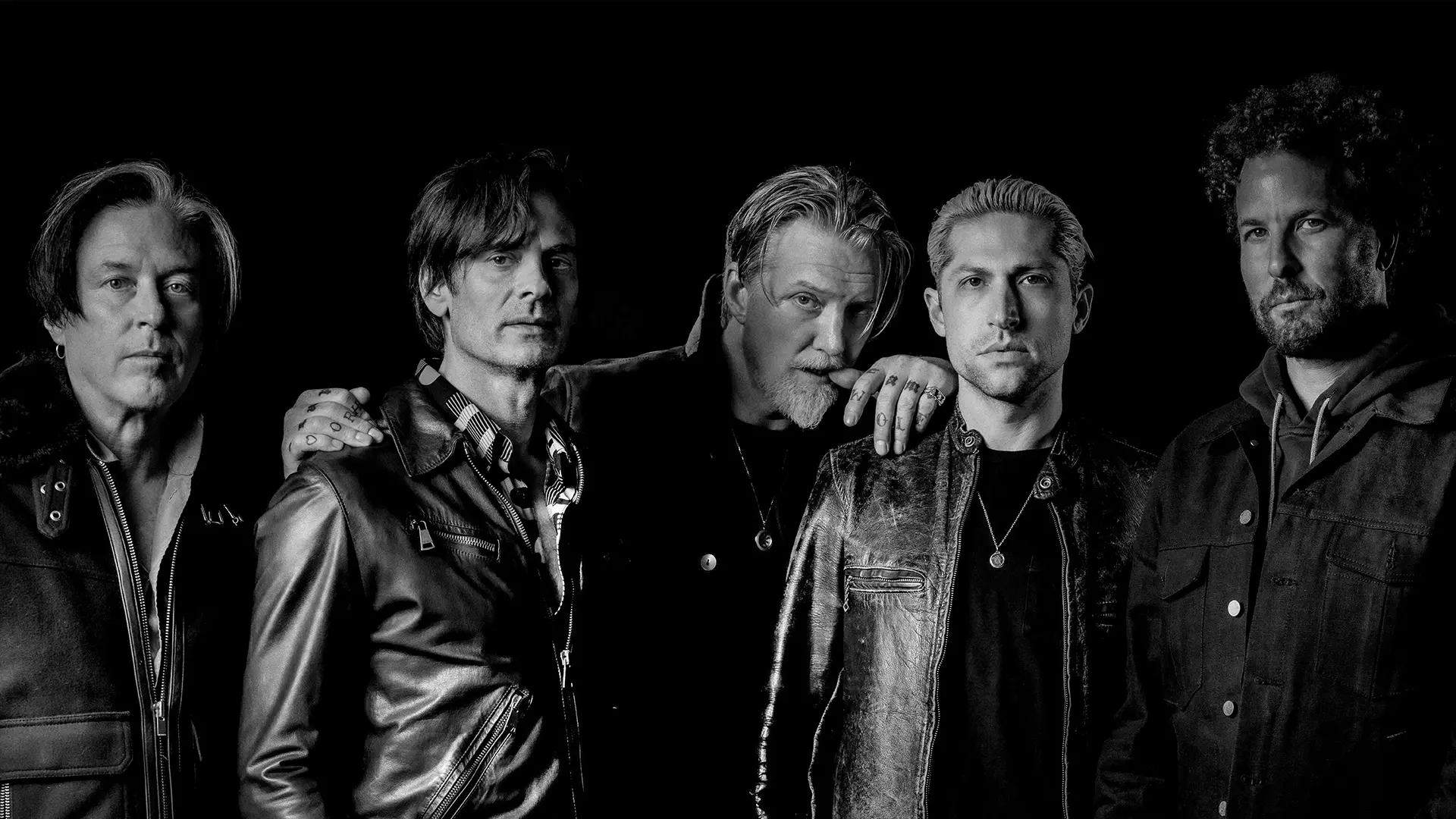
Queens of the Stone Age live
Jump to Song

What Makes a Great QOTSA Song?

A great Queens of the Stone Age song is built on a riff that does something specific: it puts the rhythmic emphasis somewhere unexpected, creates a groove that pulls at mid-tempo rather than pushing at punk speed, and gives the arrangement a lurching, physical momentum that makes movement feel involuntary. Josh Homme tunes his guitar down to bass strings, which gives his riffs a low-register weight that standard guitar arrangements can't produce, and deploys them with a rhythmic precision that rewards attention even when the song appears to be doing something simple.

The band formed from the ashes of Kyuss in 1996 and have released eight studio albums, each distinct in texture and approach but unmistakably the same band. The ten tracks ranked here draw from across that catalogue — the desert rock peak of Songs for the Deaf, the emotional directness of ...Like Clockwork, the underrated complexity of Era Vulgaris and the late-career density of In Times New Roman...

Top 10 QOTSA Songs Ranked

01

No One Knows

Album: Songs for the Deaf · 2002
Songs for the Deaf

No One Knows is QOTSA's most complete and most enduring song — the riff is one of the decade's most immediately recognisable, Dave Grohl's drumming is among the finest on any rock record of the 2000s, and the song does everything QOTSA does best: a groove-first arrangement that makes four minutes feel like two, a vocal from Homme that sits somewhere between a threat and an invitation, and a production that is simultaneously heavy and spacious.

Grohl's drumming on this track is worth dwelling on: the patterns he plays are technically demanding but feel inevitable — the kind of drumming that makes the song seem like it couldn't have been played any other way. The combination of Grohl's rhythm section work and Homme's riff creates the specific QOTSA physical quality at its most intense.

Song Meaning

No One Knows addresses the breakdown of communication in a relationship — the specific frustration of trying to reach someone who cannot or will not receive what you're saying. The "no one knows" is both the narrator's acknowledgment that genuine understanding is impossible and a broader observation about human connection. Homme has described the lyric as addressing emotional unavailability — the person who is physically present but effectively unreachable.

Riff Note

The No One Knows riff is Homme's guitar playing at its most characteristic — mid-tempo, rhythmically displaced, played on bass strings with a tuning that gives the attack a weight standard guitar can't produce. Dave Grohl played the drums on the studio version after joining for the Songs for the Deaf campaign.

Why #1: the most complete QOTSA song — Grohl's drumming at its finest, the most identifiable riff in the catalogue, and the track that best demonstrates why the band matters in a single listen.
02

Go with the Flow

Album: Songs for the Deaf · 2002
Songs for the Deaf

Go with the Flow is the most immediately accessible QOTSA track — the one most likely to be someone's first encounter with the band, the most radio-friendly arrangement on Songs for the Deaf, and the clearest demonstration that Homme's songwriting can produce a hook as immediate as anything in mainstream rock without abandoning the rhythmic sophistication that defines the QOTSA approach. The chorus is one of rock's most satisfying: simple, repeated, physically demanding to resist moving to.

Song Meaning

Go with the Flow addresses the appeal of passive surrender — the temptation to stop resisting and simply accept whatever comes. The lyric's central tension is between the narrator's awareness that going with the flow is a form of giving up and the genuine appeal of that surrender when the alternative is continued resistance to something overwhelming. The chorus — driving and propulsive rather than resigned — embodies the paradox: going with the flow sounds passive but feels like movement.

Why #2: the most accessible entry point and the most immediately gratifying QOTSA single — the chorus as pure physical hook, the arrangement demonstrating that accessibility and rhythmic sophistication are not in tension.
03

...Like Clockwork

Album: ...Like Clockwork · 2013
...Like Clockwork

...Like Clockwork — the title track of the 2013 album — is the most emotionally exposed and most melodically beautiful QOTSA song, and one of the few tracks in the catalogue where Homme's vocal is the primary instrument rather than one element in a layered arrangement. The song opens with piano and Homme's voice alone before the full band enters, and the restraint of that opening makes what follows proportionally more impactful. It is the song that most directly engages with the album's biographical context — recorded while Homme was recovering from a cardiac event during surgery that left him clinically dead for a period.

Song Meaning

...Like Clockwork addresses the experience of confronting mortality directly — the specific clarity that comes from a near-death experience about what matters and what doesn't. The "clockwork" of the title suggests both the mechanical regularity of a heartbeat and the unstoppable mechanism of time running down. Homme has spoken about the album as the most personal work he's done, and the title track is the most direct expression of that personal dimension: the lyric is about dying and coming back and the changed perspective that produces.

Why #3: the most emotionally direct QOTSA song and the one that most fully demonstrates Homme's range as a songwriter beyond the groove-and-riff template — biographical weight carried without self-pity, the most melodically beautiful arrangement in the catalogue.
04

3's and 7's

Album: Era Vulgaris · 2007
Era Vulgaris

3's and 7's is the finest track on Era Vulgaris and one of the best arguments for that album as the most underrated in the QOTSA catalogue. The riff is arguably the most propulsive Homme has written — a single repeated figure that creates forward momentum through rhythmic displacement rather than tempo increase, arriving at the chorus with the inevitability of something that was always going to happen. The production here is the most layered and most sonically complex in the catalogue up to that point, with Dean Fertita's keyboards adding a dimension that the guitar-bass-drums core arrangement doesn't explain.

Why #4: the best Era Vulgaris track and the best argument for that underrated album — the most propulsive riff in the catalogue, Fertita's keyboards adding harmonic depth the earlier records don't have, the arrangement that best demonstrates what the post-Oliveri lineup could do.
05

My God is the Sun

Album: ...Like Clockwork · 2013
...Like Clockwork

My God is the Sun is the most immediate and most energetically intense track on ...Like Clockwork — the song that opens the album and announces that the return from hiatus and the biographical weight of the record's context have not produced a subdued or reflective record but something with more force than anything QOTSA had released since Era Vulgaris. The riff is the heaviest on the album, the tempo is among the fastest in the catalogue, and the production gives it a physical presence that the more atmospheric surrounding tracks deliberately avoid.

Why #5: the most energetically intense Like Clockwork track and the album's opening statement — the heaviest riff on the record demonstrating that biographical weight and emotional directness don't require sonic restraint.
06

Little Sister

Album: Lullabies to Paralyze · 2005
Lullabies to Paralyze

Little Sister is the most immediate and most radio-accessible track on Lullabies to Paralyze and the song that most successfully navigated the commercial landscape of the mid-2000s without compromising the QOTSA aesthetic. The riff is lighter than the Songs for the Deaf material — more playful, less crushing — but carries the same rhythmic displacement that makes Homme's playing identifiable. The vocal is among his most controlled and most melodically developed, demonstrating a range that the heavier surrounding material doesn't require.

Why #6: the strongest Lullabies track and the best demonstration of the post-Oliveri QOTSA at maximum accessibility — lighter and more playful than the Deaf-era material but carrying the same rhythmic identity.
07

I Appear Missing

Album: ...Like Clockwork · 2013
...Like Clockwork

I Appear Missing is the most structurally ambitious track on ...Like Clockwork — a seven-minute song that moves through distinct sections in a way that rewards full-attention listening rather than background play. The track builds from a relatively restrained opening through increasing intensity to a conclusion that is the most sonically overwhelming moment on the album, and Homme's vocal tracks the emotional arc of the lyric across those sections with more dynamic range than most QOTSA performances.

Song Meaning

I Appear Missing addresses the experience of dissociation — the specific quality of being present physically while being absent psychologically, of watching your own life from a position outside it. The "missing" of the title is both the narrator's self-observation and an address to others: "I appear missing to you." It is the most direct engagement with the album's near-death biographical context — the experience of being gone and then present again, and the difficulty of fully returning.

Why #7: the most structurally ambitious Like Clockwork track — seven minutes that build with purpose, the most direct lyrical engagement with the album's biographical context, the most dynamically varied vocal performance in the catalogue.
08

The Lost Art of Keeping a Secret

Album: Rated R · 2000
Rated R

The Lost Art of Keeping a Secret is the finest track on Rated R and the song that most clearly demonstrates where QOTSA were headed before Songs for the Deaf arrived and raised every expectation. The riff is Homme at his most melodically generous — more open and more inviting than the denser material that would follow — and the arrangement has a warmth that the darker post-debut records often sacrifice. It remains one of the most immediately likeable tracks in the catalogue, sitting at the precise intersection of heavy and melodic that the best QOTSA songs occupy.

Why #8: the finest Rated R track and the most melodically generous QOTSA song — warmer and more inviting than the denser later material, sitting at the precise intersection of heavy and melodic that defines the band at their best.
09

Sick Sick Sick

Album: Era Vulgaris · 2007
Era Vulgaris

Sick Sick Sick is the most immediate and most physically confrontational track on Era Vulgaris — the album opener and the song designed to announce that QOTSA's third lineup iteration was not a diminished version of the earlier band. The riff is aggressive in a way that the more groove-oriented Songs for the Deaf material rarely is, the production has a harshness that suits the content, and the Trent Reznor-influenced electronic elements that appear elsewhere on Era Vulgaris are here in their most integrated form.

Why #9: the most physically confrontational QOTSA track — the Era Vulgaris opener demonstrating that the third lineup iteration had more aggression available than the preceding records had deployed, the electronic elements at their most naturally integrated.
10

Head Like a Haunted House

Album: Villains · 2017
Villains

Head Like a Haunted House closes this ranking as the strongest track on Villains — the album that divided opinion among longtime fans for its Mark Ronson-produced polish — and the best argument for that album as a legitimate QOTSA record rather than a commercial exercise. The track moves at the fastest tempo in the late-catalogue material, carries a manic energy that the more produced surrounding tracks occasionally sacrifice for smoothness, and demonstrates that Homme's instinct for the groove-first riff remains intact regardless of production context.

Why #10: the strongest Villains track and the best argument for that album — fastest tempo in the late catalogue, manic energy that cuts through the Ronson polish, proof that the fundamental QOTSA approach survives any production context.

Best QOTSA Songs for Beginners

Go with the FlowStart here — the most immediately accessible QOTSA track and the one most likely to make someone want to hear everything else.
No One KnowsThe iconic track — once Go with the Flow has landed, this is the complete QOTSA statement with Grohl's greatest drumming.
Little SisterFor listeners who want the lighter, more playful side — the most radio-accessible QOTSA single after the Songs for the Deaf era.
The Lost Art of Keeping a SecretThe warmest and most melodically inviting QOTSA track — the best entry point from the Rated R era.
...Like ClockworkFor listeners who want emotional depth — Homme at his most exposed, the most melodically beautiful track in the catalogue.
3's and 7'sFor riff-first listeners — the most propulsive riff in the catalogue and the best argument for Era Vulgaris as QOTSA's underrated essential.

Best QOTSA Albums to Hear Next

2002
Songs for the Deaf

The creative peak and the correct starting album. Dave Grohl on drums. Contains No One Knows, Go with the Flow and Song for the Dead. Structured as a desert radio station with DJ interludes between tracks. Number five Billboard 200 debut.

2013
...Like Clockwork

The most personal album. Recorded while Homme was recovering from a near-death experience. Contains ...Like Clockwork, My God is the Sun and I Appear Missing. Collaborators include Trent Reznor, Elton John, Dave Grohl and Mark Lanegan. Number one in multiple countries.

2007
Era Vulgaris

The most underrated QOTSA album. Contains 3's and 7's, Sick Sick Sick and Battery Acid. Dean Fertita's keyboards give it a harmonic depth the earlier records don't have. Rewards more repeated listens than any other QOTSA record.

2000
Rated R

Contains The Lost Art of Keeping a Secret and Feel Good Hit of the Summer. The warmest and most melodically inviting QOTSA album — the right record after Songs for the Deaf for listeners who want something more accessible before the heavier material.

QOTSA Songs: FAQ

What is Queens of the Stone Age's best song?
No One Knows — the most complete QOTSA statement, Dave Grohl's finest drumming, and the riff that best demonstrates what makes Homme's guitar playing distinctive. Go with the Flow is the most immediately accessible. ...Like Clockwork is the most emotionally resonant.
What does No One Knows mean?
Addresses the breakdown of communication in a relationship — the frustration of trying to reach someone who cannot or will not receive what you're saying. Homme has described it as addressing emotional unavailability — the person physically present but effectively unreachable. The "no one knows" is both personal acknowledgment and broader observation about human connection.
What is the best QOTSA album to start with?
Songs for the Deaf (2002) — the creative peak with Dave Grohl on drums. Then ...Like Clockwork (2013) for emotional depth, and Era Vulgaris (2007) for the most sonically complex and most underrated record.
What genre is Queens of the Stone Age?
Primarily desert rock — the subgenre that emerged from the Palm Desert, California scene in the late 1980s, characterised by heavy, riff-based rock with a hypnotic, grooved quality. They also draw on hard rock, stoner rock, psychedelic rock and alternative rock, with the balance shifting significantly across eight albums.
Did Dave Grohl play drums for QOTSA?
Yes — Dave Grohl played drums on Songs for the Deaf (2002) as a full touring and recording member. His drumming on that album, particularly on No One Knows and Song for the Dead, is widely considered among the finest on any rock record of the decade.
What happened to Nick Oliveri?
Nick Oliveri — bassist and co-writer on the first four QOTSA albums, whose aggressive energy was central to the sound of that period — was dismissed from the band in 2004 following personal issues. His departure significantly changed the band's dynamic and direction, though Josh Homme has stated the decision was necessary. Oliveri has continued as a solo artist and collaborator since.

Explore More