// Back to Bands
// Ranked Songs · Blur · Alternative Rock · London

Blur Best Songs Ranked — The Definitive Guide

Blur are the most restlessly inventive British band of the 1990s — Britpop satirists who moved through Americanisation and lo-fi noise into the emotional rawness of 13 and out the other side into something stranger still. Damon Albarn's songwriting and Graham Coxon's guitar between them defined what British alternative rock could mean. This guide ranks the 10 best Blur songs, explains their meanings, and maps the full arc from Leisure to The Ballad of Darren.

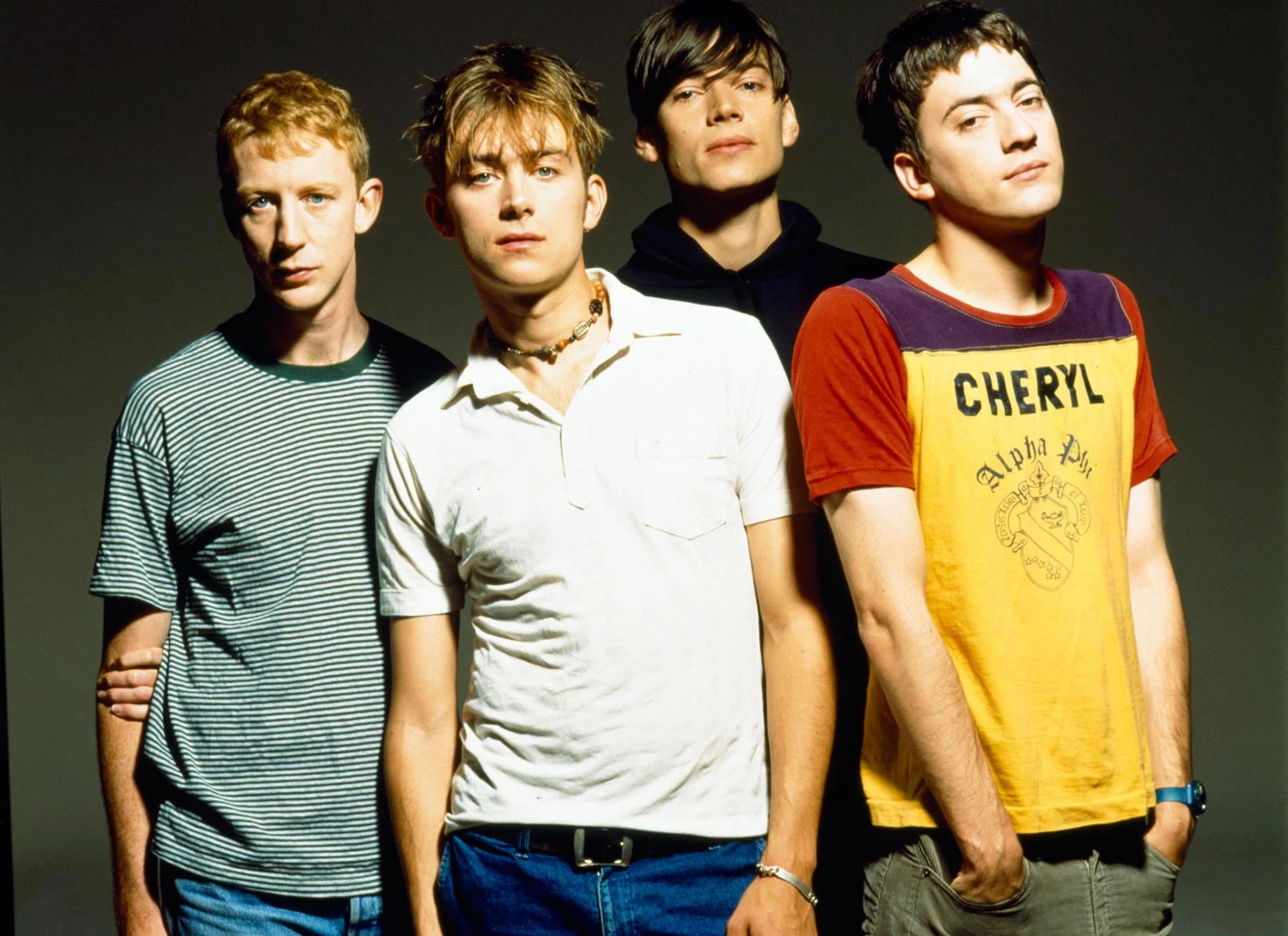
Blur — Damon Albarn and Graham Coxon performing live
// ALBUMS
Leisure 1991 Modern Life Is Rubbish 1993 Parklife 1994 The Great Escape 1995 Blur 1997 13 1999 Think Tank 2003 The Ballad of Darren 2023
// JUMP TO SONG

What Makes a Great Blur Song?

A great Blur song does something that British pop music rarely attempts: it holds the satirical and the sincere in the same track without one undermining the other. Damon Albarn can write a song that is simultaneously a sociological portrait of a specific class of English person, a catchy pop hook and a piece of genuine emotional autobiography — sometimes all three in the same verse. The breadth of that capability is what makes the catalogue so difficult to summarise: no two Blur albums sound like the same band, and the best songs come from completely different sonic and emotional places.

Blur formed in Colchester, Essex in 1988 — Damon Albarn, Graham Coxon, Alex James and Dave Rowntree as students at Goldsmiths University of London. Their career moved through Madchester-adjacent shoegaze (Leisure), deliberate Britishness as a reaction to American grunge (Modern Life Is Rubbish, Parklife), Britpop celebrity and disillusionment (The Great Escape), a deliberate American lo-fi reinvention (Blur), emotional rawness after Albarn and Coxon's friendship collapsed (13), the partial Coxon departure (Think Tank) and a 2023 reunion album (The Ballad of Darren) that was received as unexpectedly moving and fully realised.

This ranking places Beetlebum first and Song 2 third — a deliberate argument that Blur's most famous song is not their best one, and that the 1997 self-titled album's slower, more personal material is where the band peaked. The case is made below.

Top 10 Blur Songs Ranked

01

Beetlebum

Album: Blur · 1997
Blur 1997

Beetlebum is Blur's finest song and one of the most accomplished British singles of the 1990s — a track that does everything at once without appearing to try. The guitar figure is from another era (vintage American rock, Velvet Underground-influenced rather than British), the melody is immediate without being obvious, the production has a warmth and compression that makes the song feel physical rather than merely heard, and the lyric is Albarn at his most deliberately opaque about something that is clearly very specific and personal.

The song was the lead single from the self-titled 1997 album — the record that represented Blur's deliberate departure from the Britpop world they had helped create and then become disillusioned by. Its arrival — mid-tempo, serious, guitar-first, nothing like Country House or Parklife — was a statement that the band were not going to continue being what the media had decided they were. The response was an immediate UK number one, which is both the surprise and the proof that Albarn's instincts were right.

Graham Coxon's guitar throughout Beetlebum is arguably his finest studio performance — the specific tremolo-arm manipulation in the verses, the way the chord changes feel slightly unexpected each time they arrive, the restraint of not playing more than the song requires. For a guitarist sometimes criticised for excess, it demonstrates a different and deeper capability.

Song Meaning

Beetlebum is widely interpreted as being about heroin addiction — specifically Albarn's proximity to someone who was using heroin, and the pull of that relationship despite knowing it was damaging. Albarn has been deliberately vague about the autobiographical specifics. The "beetlebum" itself is understood as the numb, numbed state of the high — the comfortable insensibility that makes the addiction comprehensible even from the outside. The lyric describes the narrator being unable to leave a situation they understand is wrong, which is the specific emotional territory of loving someone whose addiction defines them.

Why #1: the most complete Blur song — the one where every element (lyric, guitar, production, melody, emotional territory) functions at its highest level simultaneously.
02

This Is a Low

Album: Parklife · 1994
Parklife 1994

This Is a Low is the most emotionally powerful track on Parklife — the album closer that strips away all the sociological observation, the Britpop irony and the sharp character writing that makes the rest of the record exceptional, and replaces it with something more direct and more personal. The song builds across its five minutes in a way that earns the emotional impact of the final section completely — the patient accumulation of atmosphere before the release is one of the finest structural decisions on any 1990s British rock album.

The shipping forecast framework — using the BBC Radio 4 sea areas (Dogger, Viking, Portland, Malin) as lyrical geography — gives the song a specifically English quality that could only have been written by someone who grew up hearing that broadcast as background domestic texture. For a generation of British listeners, the shipping forecast is inseparable from a particular feeling of late-night, slightly melancholy domestic comfort, and Albarn exploits that association with the precision of someone who knows exactly what he is doing.

Song Meaning

This Is a Low uses the BBC Radio 4 Shipping Forecast — the nightly broadcast of weather conditions for the sea areas around the British Isles — as a structural framework for a meditation on England as a geography and as an emotional state. The "low" is both a weather system moving across the shipping areas described in the lyric and a state of depression or despair — the two meanings coexisting throughout the song without either making the other feel forced. Albarn has described the song as a love letter to England — not an uncritical one but an affectionate one, from someone who knows the country's capacity for grey disappointment and loves it anyway.

Why #2: the finest song on the finest Blur album — where the emotional directness that the rest of Parklife withholds is fully and devastatingly present.
03

Song 2

Album: Blur · 1997
Blur 1997

Song 2 is the most famous Blur song and the most historically improbable — a two-minute parody of American alternative rock written as a joke in approximately twenty minutes that became one of the most recognisable British singles of the 1990s, ubiquitous in advertising and sports, and the track most responsible for the band's international profile. That it sits third in this ranking rather than first is the honest assessment of a song that is brilliant at exactly what it sets out to do (be funny, be immediately catchy, take less than two minutes) while the songs above it are doing something more ambitious.

The "woo-hoo" — deployed twice, with maximum irony, as the song's obvious hook — is both the joke and the reason the joke works. It is so simple it borders on mockery, but it is also genuinely satisfying to shout at maximum volume, which means the satire and the thing being satirised exist in the same sound. Coxon's feedback-drenched guitar riff captures the distorted American grunge sound with the precision of someone who has listened to a lot of Dinosaur Jr. and finds it simultaneously admirable and absurd.

Why #3: a two-minute masterpiece of comedic pop — the most famous Blur song ranked third because the songs above it are doing something more serious and achieving it more completely.
04

Coffee & TV

Album: 13 · 1999
13 — 1999

Coffee & TV is Graham Coxon's song — the only track in the Blur catalogue where the lead guitar rather than Albarn's vocal is the primary identity of the piece, and the track that most directly represents Coxon's own creative voice. Written partly from his experience of withdrawing from alcohol, it has a fragile, slightly dissociated quality that matches its subject: the comfort objects of the title (coffee, television) as the replacement satisfactions of early sobriety, inadequate but available.

The song is also the most accessible entry point into the 13 album — a record that is otherwise quite demanding, built around Albarn's grief and anger following the breakdown of his relationship with Justine Frischmann. Against that emotional landscape, Coffee & TV's relative lightness and Coxon's slightly bashful vocal performance feel like a genuine relief, which is partly why the song has retained such consistent affection from fans who find the rest of the album heavier going.

Why #4: Graham Coxon's finest Blur moment and the most accessible track on the most emotionally difficult album — the song that demonstrates his creative voice is as distinctive as Albarn's.
05

Girls & Boys

Album: Parklife · 1994
Parklife 1994

Girls & Boys is the most improbable Blur song — a disco-punk track built on a synth bass riff that sounds more like 1980s dance music than anything that was on British indie radio in 1994. It was the lead single from Parklife and the first clear signal that Albarn's approach to Britpop was satirical rather than celebratory: the song is ostensibly about the sexual tourism of British package holidays (Magaluf, Benidorm, the Costa del Sol), but the production's celebration of that world makes the satire genuinely ambiguous — you cannot be entirely certain whether the song is laughing at or with its subjects, which is the point.

Alex James's bass line — the actual melodic foundation of the song, more prominent than the guitar in the mix — is the track's defining instrument, and one of the most underappreciated bass performances on any British pop record of the decade. The "la la la la" outro, delivered with a kind of blank cheerfulness, is the satirical stroke that clinches the song's ambiguity: too cheerful to be condemnatory, too empty to be sincere.

Song Meaning

Girls & Boys is a portrait of British package holiday culture — the cheap Mediterranean resort trips, the temporary suspension of normal social rules and the sexual tourism that defines them. Albarn wrote it as an observation after a holiday in Magaluf, watching the specific behaviour of people who treat holiday environments as a space of licensed excess. The song's production mirrors the subject: it sounds like the music playing in a resort bar, danceable and slightly hollow, which creates the ambiguity between celebration and satire that has made the song impossible to fully categorise.

Why #5: the most musically adventurous Parklife single and the clearest demonstration that Britpop's most interesting satirist was also willing to make the music he was satirising irresistibly fun.
06

Tender

Album: 13 · 1999
13 — 1999

Tender is the most nakedly emotional song in the Blur catalogue — a seven-minute gospel-influenced ballad that opens 13 with a directness that nothing in the previous five albums had prepared listeners for. The song came out of Albarn's relationship breakdown (with Justine Frischmann of Elastica) and the period of profound personal difficulty that followed it, and the combination of the gospel choir, the insistent guitar figure and the lyric's plea for kindness creates something with the quality of a genuine lament rather than a composed piece of music.

The choir — recruited from the local community near the recording studio in Reykjavik — gives the song a scale that transforms what might have been a solo confessional into something communal. The line "love's the greatest thing / love's the greatest thing / that we have" repeats until it feels less like a statement and more like a prayer being said by someone who is not entirely sure it is true but needs it to be.

Why #6: Blur without the irony, the satire or the safety of wit — the most emotionally unguarded thing Albarn has put on a Blur record.
07

Parklife

Album: Parklife · 1994
Parklife 1994

Parklife is the song most commonly associated with the entire Britpop moment — the track that gave the 1994 album its title and that, for many listeners outside Britain, is the primary association with the word "Britpop" itself. Phil Daniels's spoken-word verse (the actor from the Quadrophenia film, speaking in an emphatically London voice about the mundane pleasure of watching the world go by in a park) is one of the great novelty strokes of 1990s British pop, and Albarn's chorus — melodic, big, genuinely anthemic beneath the irony — turns the mundane observation into something that feels oddly triumphant.

The song's genius is in refusing to mock its subject: the person who gets up late, avoids conversations about soccer and finds deep satisfaction in watching people in the park is presented with genuine affection rather than contempt. The satire, such as it is, is aimed at people who look down on that person rather than at the person themselves, which is a much more interesting and more generous target.

Why #7: the defining Britpop cultural moment — a song that managed to be genuinely affectionate about working-class English life while providing the era's defining ironic anthem.
08

The Universal

Album: The Great Escape · 1995
The Great Escape

The Universal is the finest track on The Great Escape and the song that most clearly points toward the emotional territory 13 would explore four years later. The arrangement — orchestra, piano, Albarn's most cinematic melody — gives the song a scale that the more ironic Great Escape material deliberately withholds, and the lyric's combination of dystopian imagery (drawn partly from Kubrick's A Clockwork Orange, shot in locations Albarn referenced in the video) with genuine longing creates a tension that is more powerful than the more focused satires around it on the album.

The song also represents the point at which Albarn's ambitions for the band began to exceed what the Britpop context could contain — the grandeur of the arrangement and the seriousness of the emotional territory are not things that the 1995 Britpop moment had much room for, and the song's relative commercial underperformance relative to the album's other singles suggested the same.

Why #8: The Great Escape at its most ambitious and least ironic — the track that first showed Albarn wanted to make something bigger than Britpop.
09

Country House

Album: The Great Escape · 1995
The Great Escape

Country House is here because it won the Blur vs Oasis chart battle of 1995, because it is a genuinely excellent pop song that demonstrates Albarn's melodic facility at its most immediately accessible, and because leaving it out of a Blur top 10 would be revisionism. Albarn has since described engineering the chart battle as one of his biggest mistakes — a piece of cynical marketing calculation that was beneath both bands — but the song itself is better than that context deserves. The brass section, the accelerating verse, the irresistible chorus: these are the work of a band at their most technically polished.

The lyric is a portrait of a specific type of wealthy English man — successful, apparently happy, actually deeply unfulfilled, retreating to a country house and watching too much television — that Albarn drew partly from observation of figures in the music industry. The Benny Hill-style video (which Albarn has also expressed regret about) domesticated the song's satirical intent into something more purely comic, which both expanded its audience and made it harder to take seriously.

Why #9: the Blur vs Oasis battle winner and a genuinely great pop song that deserves better than the cynical chart-battle context it appeared in.
10

No Distance Left to Run

Album: 13 · 1999
13 — 1999

No Distance Left to Run closes this ranking as the most emotionally desolate and the most quietly affecting track in the Blur catalogue. Written in the aftermath of Albarn's relationship breakdown with Justine Frischmann, it is the most direct and least aesthetically mediated account of that loss — no satire, no irony, no clever framework, just a person trying to articulate the specific feeling of a relationship having ended completely. The arrangement is near-acoustic, fragile, with none of the production complexity that defines most of the 1990s material.

The lyric moves from the recognition that the relationship is over through a kind of stunned acceptance to a final moment of grace — the acknowledgement that both people are free now, even if freedom feels like nothing much at this precise moment. It is Albarn at his most vulnerable and his most honest, and the restraint of the arrangement gives the emotional content nowhere to hide.

Why #10: Blur's most desolate and most unguarded song — where the wit and craft that usually shape the emotional content are set entirely aside.

Best Blur Songs for Beginners

New to Blur? These six tracks introduce the different eras and emotional registers of the catalogue — the Britpop satirist, the American lo-fi reinvention, the emotional rawness and the comedic peak.

Song 2Start here — the most famous and immediately accessible Blur song. Two minutes, massive hook, entirely irresistible.
Girls & BoysThe Parklife era at its most fun — disco-punk about British holiday culture, impossible to not move to.
ParklifeThe Britpop defining moment — Phil Daniels's spoken word, Albarn's anthem, 1994's most English song.
BeetlebumOnce you know the lighter material — this is where you discover how much deeper the catalogue goes.
This Is a LowThe Parklife album's emotional heart — the shipping forecast as love letter to England.
Coffee & TVGraham Coxon's finest hour and the most accessible 13-era track — fragile, funny and genuinely moving.

Damon Albarn: The Songwriter

Damon Albarn was born on 23 March 1968 in Whitechapel, east London, and grew up partly in Colchester, Essex — a background that informs both the working-class observation of the Britpop material and the specifically English quality of the band's aesthetic. He is widely considered one of the finest British songwriters of his generation, and the breadth of his post-Blur work — Gorillaz, solo albums, operas, collaborations with musicians from Mali to Iceland — confirms that assessment.

His approach to lyric writing is distinctive for its economy and its sociological specificity. Where most rock lyrics deal in abstraction — feelings named rather than shown, situations described rather than placed — Albarn's best Blur writing places you somewhere specific. You know exactly what kind of person is watching the world go by in the park, what kind of holiday they went on, what their house looks like. That specificity is what makes the satire feel observed rather than invented, and the emotional material feel real rather than performed.

Albarn and Graham Coxon's friendship — which formed the creative core of Blur through the 1990s and broke down in the early 2000s in ways that shaped the sound of 13 and the recording of Think Tank without Coxon — is as central to the Blur story as the music itself. The reunion, when it came, was received as something more than professional: the restoration of a friendship that had mattered to both of them, expressed through the band that friendship had created. The Ballad of Darren (2023) is the document of that restoration.

Blur vs Oasis: The 1995 Chart Battle

On 14 August 1995, both Blur and Oasis released singles on the same day in a deliberate commercial clash that became one of the most celebrated events in 1990s British music: Blur's Country House vs Oasis's Roll With It. The media framing — North vs South, working class vs art school, Liam Gallagher vs Damon Albarn — was irresistible, and both bands and their labels leaned into it enthusiastically.

Blur won. Country House debuted at number one, Roll With It at number two. The subsequent news coverage treated it as a victory for Blur's camp. Albarn has since described engineering the chart battle as one of the worst decisions of his professional life — a piece of cynical marketing that reduced both bands to caricatures and that he regrets because it obscured what was actually interesting about both records. "(What's the Story) Morning Glory?" subsequently outsold The Great Escape very significantly, which Albarn has acknowledged as a more meaningful measure.

The battle's cultural legacy is complicated: it introduced a generation of people to both bands who might not otherwise have found them, but it also calcified a Blur vs Oasis binary that served neither band's actual creative work. Both records are better than the battle made them seem. Albarn and Noel Gallagher have been publicly reconciled for many years.

Best Blur Albums to Hear Next

1994
Parklife

The best starting album for most new listeners. Contains Girls & Boys, Parklife, This Is a Low, End of a Century and To the End. The most song-driven Blur record and the one that defines the band's relationship with British cultural specificity.

1997
Blur

The deliberate Britpop departure and the self-titled reinvention. Contains Beetlebum, Song 2, On Your Own and Strange News from Another Star. The most musically varied Blur record and the one that contains the two songs at the top of this ranking.

1999
13

The most emotionally raw and least accessible Blur album — and the most rewarding for patient listeners. Contains Tender, Coffee & TV, No Distance Left to Run, Caramel and Battle. Essential for understanding the full range of what Albarn and Coxon achieved together.

1995
The Great Escape

The Britpop commercial peak and the album Albarn has most ambivalent feelings about. Contains Country House, The Universal, Charmless Man and Stereotypes. Better than its reputation among fans who prefer the later material.

2003
Think Tank

Recorded largely without Graham Coxon in Morocco, the final pre-hiatus album. Contains Crazy Beat, Good Song and Ambulance. The most world-music influenced Blur record and the most sonically unusual — a fascinating late-period statement.

2023
The Ballad of Darren

The reunion album and, unexpectedly, one of the finest records in the catalogue. Contains St. Charles Square, The Narcissist and Barbaric. Received as the most emotionally direct Blur record — music about ageing, loss and the persistence of friendship, made by people who have genuinely experienced all three.

Honourable Mentions

Blur have a deeper catalogue than the obvious tracks suggest, particularly across the art-pop early material and the Think Tank late period. Strong honourable mentions include:

  • For Tomorrow (Modern Life Is Rubbish, 1993) — the first great Blur single, which set the template for the Britpop character-study approach and showed Albarn's ability to find genuine emotion in mundane suburban detail
  • Chemical World (Modern Life Is Rubbish, 1993) — the most fully formed early statement of the Blur approach, before Parklife made the template famous
  • End of a Century (Parklife, 1994) — one of Albarn's finest small-scale love songs, specifically about the specific boredom and comfort of a settled relationship
  • Charmless Man (The Great Escape, 1995) — the sharpest character portrait in the catalogue, a portrait of a specific type of English male smugness with almost no compassion
  • Caramel (13, 1999) — the most atmospheric and most patient 13 track, which creates a mood of dissociated grief that sits outside the more explicit emotional content of the rest of the album
  • Good Song (Think Tank, 2003) — the most accessible Think Tank track, a gentle acoustic piece that shows Albarn's melodic instinct surviving the album's more experimental context
  • St. Charles Square (The Ballad of Darren, 2023) — the 2023 album's finest moment, an unexpectedly direct meditation on the passage of time and the persistence of attachment

Blur Band History

Blur formed in London in 1988 — Damon Albarn, Graham Coxon and Alex James as students at Goldsmiths, Dave Rowntree recruited as drummer — initially as Seymour before signing to Food Records and changing their name. The debut Leisure (1991) was a competent but undistinguished entry into the shoegaze and Madchester-influenced indie scene of the early 1990s, and its relative commercial disappointment prompted a deliberate creative rethink.

Modern Life Is Rubbish (1993) announced the new direction: a deliberate Britishness in reaction to the American grunge dominance of the early 1990s. The critical response was warm but commercial success was limited until Parklife (1994) made Blur one of the most famous bands in Britain. The Girls & Boys single, the Parklife single and the This Is a Low album closer established the band's creative range in a single album cycle. A Brit Award for Best Album followed.

The Great Escape (1995) and the chart battle with Oasis were the commercial and cultural peak, followed by a period of critical and personal difficulty that produced the self-titled 1997 album's deliberate American lo-fi departure. 13 (1999) — recorded during and after Albarn's relationship breakdown — was the most emotionally raw record of the catalogue and the beginning of the end of Albarn and Coxon's creative partnership.

Think Tank (2003), recorded with minimal Coxon contribution, was followed by a hiatus. Reunion tours in 2009 and 2013 preceded the full creative reunion of The Ballad of Darren (2023) — an album that was received as unexpectedly moving, emotionally mature and fully realised, and that demonstrated the band's creative chemistry was intact across two decades of separation.

Blur Songs: FAQ

What is Blur's best song?
Beetlebum is placed first in this ranking as Blur's most complete and emotionally sophisticated song. Song 2 is far more famous and sits third. This Is a Low and Tender are the most cited alternatives among dedicated fans.
What does Beetlebum mean?
Widely interpreted as being about heroin addiction — specifically Albarn's proximity to someone whose addiction defined the relationship. The "beetlebum" is understood as the numb state of the high. Albarn has been deliberately elliptical about the autobiographical specifics. The lyric describes a narrator unable to leave a situation they recognise as damaging.
What does Song 2 mean?
A deliberate parody of American alternative rock written as a joke in approximately twenty minutes. The "woo-hoo" is simultaneously the joke and the hook — too simple to be taken seriously, irresistibly satisfying to shout. Albarn has confirmed the satirical intent; the subsequent ubiquity of the song in advertising and sports is one of the period's finest ironies.
What does This Is a Low mean?
Uses the BBC Radio 4 Shipping Forecast's sea area names (Dogger, Viking, Portland, Malin) as a geographical and emotional framework for a meditation on England. The "low" is both a weather system and a state of depression — the two meanings coexist throughout without either making the other feel forced. Albarn has described it as a love letter to England.
What does Girls and Boys mean?
A satirical portrait of British package holiday culture — the cheap Mediterranean resort trips and the sexual tourism that defines them. Albarn wrote it after a holiday observing behaviour in Magaluf. The production's danceability creates an ambiguity about whether the satire is affectionate or critical that has never been fully resolved.
Who is Damon Albarn?
Damon Albarn (born 1968, Whitechapel, London) is Blur's vocalist and primary songwriter, and one of the most significant figures in British music of the past thirty years. He is also the creative force behind Gorillaz and has released solo albums, operas and collaborative projects with musicians from across the world. Widely considered one of Britain's finest living songwriters.
What was the Blur vs Oasis battle?
On 14 August 1995, Blur's Country House and Oasis's Roll With It were both released on the same day in a deliberate commercial clash. Blur won — Country House debuted at number one. Albarn has since described engineering the battle as one of his biggest mistakes, a cynical marketing move that reduced both bands to caricatures and obscured what was actually interesting about both records.
What is the best Blur album to start with?
Parklife (1994) is the best starting album — the most song-driven and culturally significant Blur record. The self-titled 1997 album is the right second step for listeners who want the more emotionally ambitious material. 13 (1999) is the essential album for the full emotional range of the catalogue.
Is Blur still active?
Yes. Blur released The Ballad of Darren in 2023 and toured extensively in support, including major festival headline slots. The album was received as one of their finest and demonstrated that the band's creative chemistry remained intact.
Where are Blur from?
Blur formed in London — the members met at Goldsmiths College — but Damon Albarn grew up partly in Colchester, Essex, which informs the working-class specificity of the Britpop-era material. The band's identity is fundamentally London and southeast England.

Explore More Rock Guides